How to Build a Raised Garden Bed for Dwarf Fruit Trees: Root Depth & Soil
As an Amazon Associate I earn from qualifying purchases. Prices and availability are accurate as of the date/time indicated and are subject to change.
The short answer
If you only want one recommendation: Land Guard Galvanized Raised Garden Bed 32-Inch Deep. Extra-tall 32-inch sidewalls provide the taproot clearance and moisture reservoir dwarf fruit rootstocks demand.
Check price on Amazon →🔍 How this guide was put together (Editorial Standards)
This guide compares options using published manufacturer specifications, patterns in publicly visible owner reviews, and reputable expert sources. We do not operate a physical testing lab; see our how-we-research page for details.
EDITOR'S PICKS
Top Picks
TOP PICK
RUNNER-UP
BEST VALUE
📑 Table of contents
Understanding Root Depth Requirements for Dwarf Fruit Trees
Raised garden beds are an innovative and efficient way to cultivate dwarf fruit trees, such as patio citrus, dwarf apples, and fig trees. The success of these trees largely depends on their root depth requirements. Dwarf fruit trees typically have shallower root systems compared to their standard counterparts, but they still require adequate depth for healthy growth.
Dwarf Citrus Trees
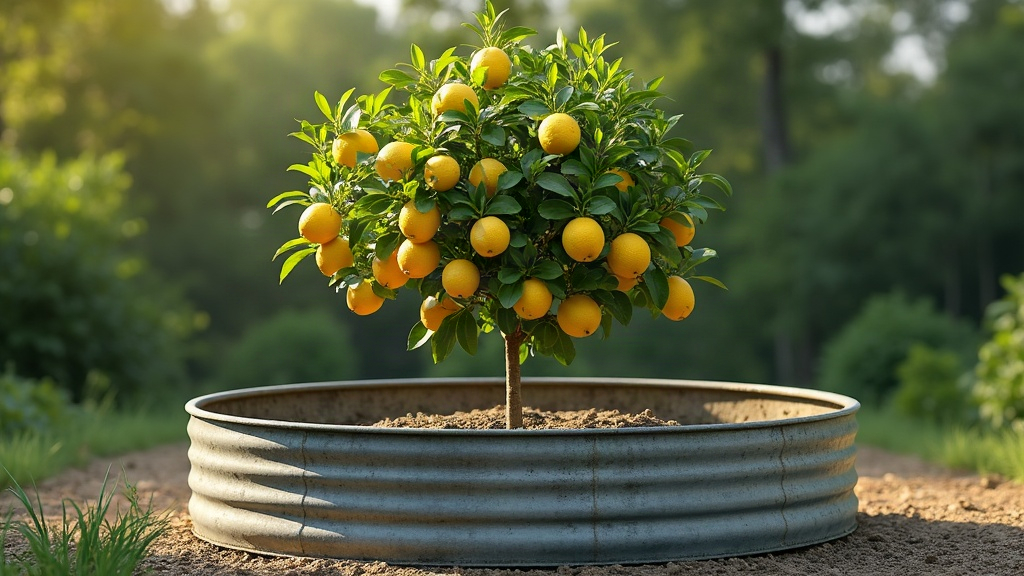
Patio citrus trees, such as lemons and limes, generally have fibrous root systems. They require approximately 18 to 24 inches of soil depth to accommodate their root structure. However, it’s advisable to provide deeper beds (around 24 to 32 inches) to facilitate excess root growth and ensure good drainage, which is crucial for citrus trees.
Dwarf Apple Trees
Dwarf apple trees can have a root depth requirement of roughly 24 to 30 inches. These trees grow a more extensive root system that can spread horizontally, but they still need sufficient vertical space for their roots to establish. A depth of 32 inches is ideal for enhanced stability and nutrient uptake.
Fig Trees
Fig trees, while often marketed as dwarf varieties, can develop deeper roots, reaching depths of 24 to 30 inches or more. Providing a raised bed that offers at least 32 inches of depth can help these trees thrive, particularly in areas with poor soil drainage.
Selecting the Right Raised Garden Bed for Dwarf Fruit Trees
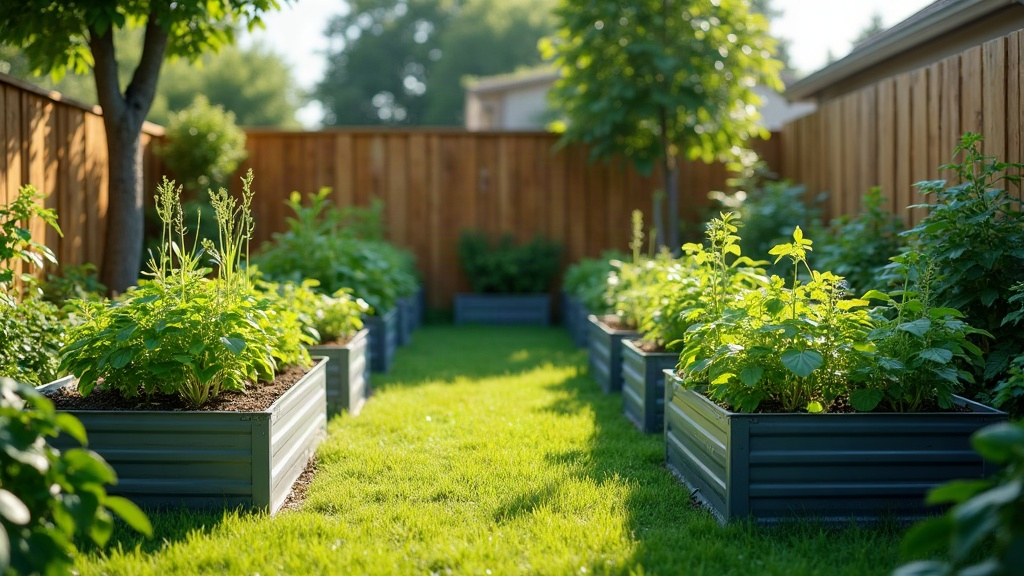
When constructing a raised garden bed for dwarf fruit trees, the material and dimensions are critical. Corrugated metal beds, for instance, can provide several advantages, including durability and excellent drainage properties.
Advantages of Corrugated Metal Beds
- Longevity: Metal beds resist rot and pests, ensuring a longer lifespan than wooden alternatives.
- Drainage: The structure allows for excellent drainage, preventing waterlogging, which is critical for fruit tree health.
- Temperature Regulation: Metal heats up quickly in the sun, which can extend the growing season.
Recommended Dimensions
For dwarf fruit trees, the following specifications are recommended:
- Height: 32 inches
- Width: 4 to 6 feet
- Length: 4 to 8 feet
These dimensions provide ample planting space while allowing easy access for maintenance.
Soil Composition and Drainage Considerations
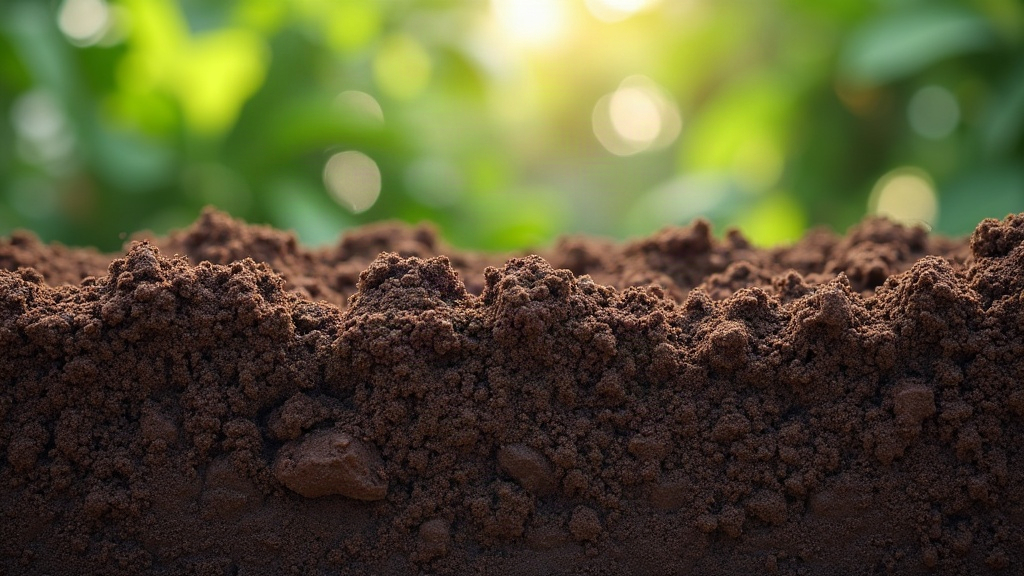
The soil in your raised garden bed is equally important as the structure. A well-draining mix that retains moisture without becoming waterlogged is ideal for dwarf fruit trees.
Soil Composition
A recommended soil mix consists of:
- 40% high-quality compost
- 30% peat moss or coconut coir (for moisture retention)
- 30% perlite or coarse sand (to enhance drainage)
Importance of pH Levels
Dwarf fruit trees generally prefer a soil pH of 6.0 to 6.8. Testing your soil with a pH meter or test kit can provide insights into necessary amendments. Lime can be added to raise pH, while sulfur can help lower it.
Drainage Benchmarks
Here’s a detailed table summarizing the technical parameters, benchmarks, and recommendations for building a raised garden bed for dwarf fruit trees:
| Parameter | Benchmark | Recommendation |
|---|---|---|
| Bed Depth | 24 to 32 inches | 32 inches for optimal root growth |
| Soil Composition | 40% compost, 30% peat | Mix with 30% perlite for drainage |
| pH Level | 6.0 to 6.8 | Test soil; amend as needed |
| Material | Wood, metal, composite | Corrugated metal for durability |
| Bed Width | 4 to 6 feet | 4 to 5 feet for easy access |
| Bed Length | 4 to 8 feet | 6 to 8 feet ideal for multiple trees |
Building Your Raised Garden Bed
Constructing your raised garden bed requires careful planning and execution. Here’s a step-by-step guide.
Materials Needed
- Corrugated metal sheets
- Metal fasteners or screws
- Wood or composite corners (to stabilize)
- Soil mix (as described above)
- Landscape fabric (optional, for weed control)
Steps to Build
- Choose a Location: Select a sunny area with good air circulation.
- Frame Construction: Cut the metal sheets to the desired length and height. Assemble the corners securely.
- Install the Bed: Place the bed where it will remain. If using landscape fabric, lay it down first to prevent weeds.
- Fill with Soil: Layer the soil mix into the bed, ensuring it’s evenly distributed.
- Water Thoroughly: Before planting, water the bed to settle the soil.
Planting and Caring for Your Dwarf Fruit Trees
Once your raised garden bed is ready, it’s time to plant. Space your dwarf fruit trees according to their mature width, typically 2 to 4 feet apart.
Watering and Fertilization
- Watering: Dwarf fruit trees require consistent moisture. Water deeply once a week, adjusting frequency based on rainfall.
- Fertilization: Use a balanced slow-release fertilizer in early spring and follow up with additional feeding in mid-summer.
Pruning and Maintenance
Regular pruning will not only help in shaping the trees but also encourage better fruit production. Remove dead or diseased wood, and thin out excess growth to enhance air circulation.
Interactive Tool
For precise measurements and assistance in planning your raised garden bed, check out our Raised Bed Calculator.
Frequently Asked Questions
What are the best dwarf fruit trees to plant in raised beds?
The best options for raised beds include dwarf varieties of apples, citrus, figs, and peaches. These trees are specifically bred for smaller spaces and have root systems that can thrive in the confined environment of a raised bed.
How often should I replace the soil in my raised garden bed?
Soil in raised beds should be refreshed every 3 to 5 years. This ensures that nutrients are replenished and helps prevent soil compaction. You can top-dress with compost each season to maintain nutrient levels.
Can I grow other plants alongside dwarf fruit trees in a raised bed?
Yes, companion planting can be beneficial. Herbs like basil and flowers such as marigolds can deter pests and attract beneficial insects. However, ensure they do not compete for nutrients or space with the dwarf trees.