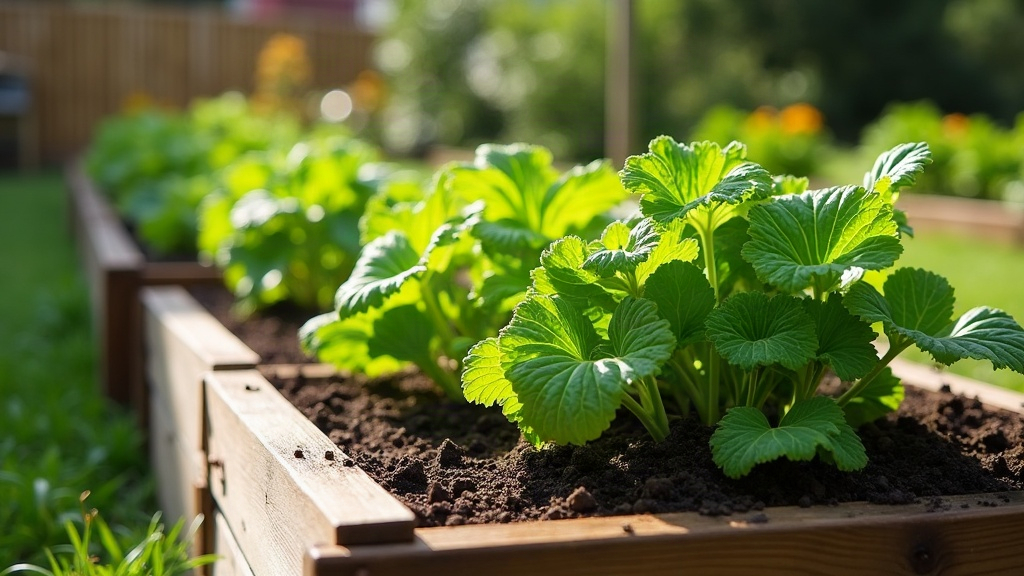
How Tall Should a Raised Garden Bed Be? Matching Height to What You Grow
As an Amazon Associate I earn from qualifying purchases. Prices and availability are accurate as of the date/time indicated and are subject to change.
🔍 How this guide was put together (Editorial Standards)
This guide compares options using published manufacturer specifications, patterns in publicly visible owner reviews, and reputable expert sources. We do not operate a physical testing lab; see our how-we-research page for details.
EDITOR'S PICKS
Top Picks


Height is the raised-bed spec that quietly controls three things at once: how much soil you have to buy and haul, how comfortable the bed is to work, and what you can actually grow in it. Go too short and root crops struggle and you’re bending double; go too tall and you’re paying to fill a volume your plants never use. The right height isn’t the tallest one — it’s the one that matches your crops, your soil budget, and your back. Here’s how to choose.
The three things height decides
- Root depth for your crops. Most vegetables are happy in 10–12 inches of soil; deep-root crops (carrots, potatoes, tomatoes) prefer more. Height only matters below the soil line if the bed sits on solid ground plants can’t root into.
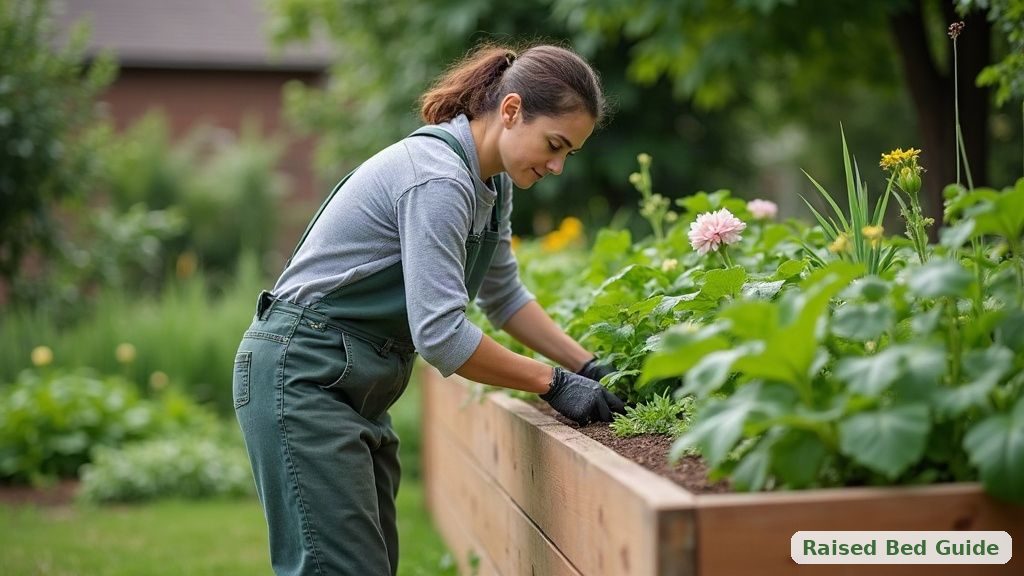
- Your back and access. Taller beds (16–24”+) mean far less bending — a real quality-of-life and accessibility factor, especially for older gardeners or anyone with back issues.
- Soil cost. Every extra inch of height is more fill to buy. Doubling the height doubles the soil bill, which is why “how tall” is really a budget question too.

Matching height to your situation
- On bare soil, growing shallow-root veg: a 10–12” bed (like the shorter SnugNiture) is plenty — roots can reach into the ground below if needed, and you save on fill.
- On a hard surface (patio, gravel), or growing deep-root crops: go 16”+ so roots have depth without native soil below. The Vego 17” kits are a popular sweet spot.
- Accessibility or back comfort is the priority: 18–24”+ to work standing, accepting the higher soil cost. Fill the lower portion cheaply (see below) to soften the bill.
How deep does a raised bed need to be for vegetables?
Most vegetables thrive with 10–12 inches of good soil. If the bed sits on diggable ground, even a shorter bed works because roots extend downward. If it sits on concrete or you’re growing carrots, potatoes, or big tomatoes, aim for 16 inches or more of actual soil depth. Match depth to your deepest-rooting crop.
Is a taller raised bed better?
Better for your back and for deep-root crops and hard surfaces — but not “better” universally, because taller beds cost more to fill and don’t help shallow crops on open ground. Pick the shortest height that satisfies your crops and your comfort, not the tallest you can buy. Our metal vs wood vs fabric guide covers how material pairs with height.
How do I fill a tall bed without spending a fortune on soil?
Fill the bottom third of a tall bed with cheaper bulk material (coarse compost, wood chips, untreated logs) and reserve quality mix for the top 10–12 inches where roots actually live. It cuts the soil bill significantly — the exact approach in our soil mix basics and how much soil guide.
📚 Related In-Depth Analysis
- Compare findings with our guide on Best Soil Mix For Raised Garden Beds.
- Compare findings with our guide on Raised Bed Mulching Guide.
📚 Related In-Depth Analysis
- Compare findings with our guide on Best Soil Mix For Raised Garden Beds.
- Compare findings with our guide on Raised Bed Mulching Guide.
🔧 Interactive Planning Tool
Need exact measurements for your setup? Use our Raised Bed Soil Volume & Mel’s Mix Estimator to Calculate cubic yards of soil and component ratios for your garden beds.
The quick verdict
Growing shallow veg on open ground: 10–12” is enough and cheapest to fill. Deep-root crops, a hard surface, or a bad back: go 16–24”+ (Vego 17” is a common sweet spot) and fill the bottom with cheap bulk. Pick the shortest height that fits your crops and comfort — and check the live listing for each kit’s exact height and footprint.