Best Vegetables to Grow in Raised Beds for Beginners (2026)
As an Amazon Associate I earn from qualifying purchases. Prices and availability are accurate as of the date/time indicated and are subject to change.
🔍 How this guide was put together (Editorial Standards)
This guide compares options using published manufacturer specifications, patterns in publicly visible owner reviews, and reputable expert sources. We do not operate a physical testing lab; see our how-we-research page for details.
EDITOR'S PICKS
Top Picks
TOP PICK


📑 Table of contents
A raised bed changes what “easy” means in the vegetable garden. The soil warms earlier in spring, drains faster after rain, and stays loose enough for roots to push through without a fight. That combination forgives a lot of beginner mistakes — which is exactly why your first-year plant list should lean into crops that reward those conditions instead of fighting them.
Below are the vegetables that consistently do well for first-time raised-bed growers, grouped by how much patience they ask of you.
Start with leafy greens — the fastest confidence builder
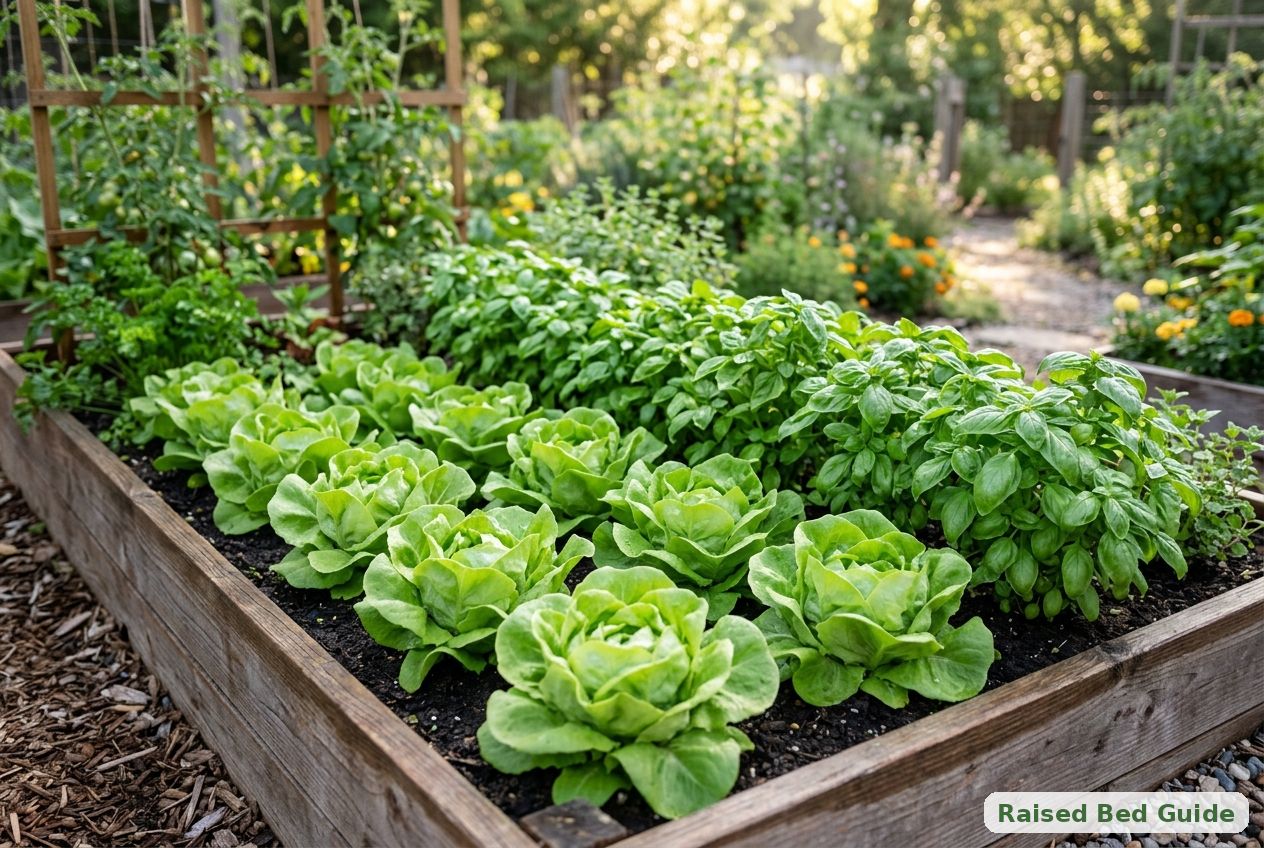
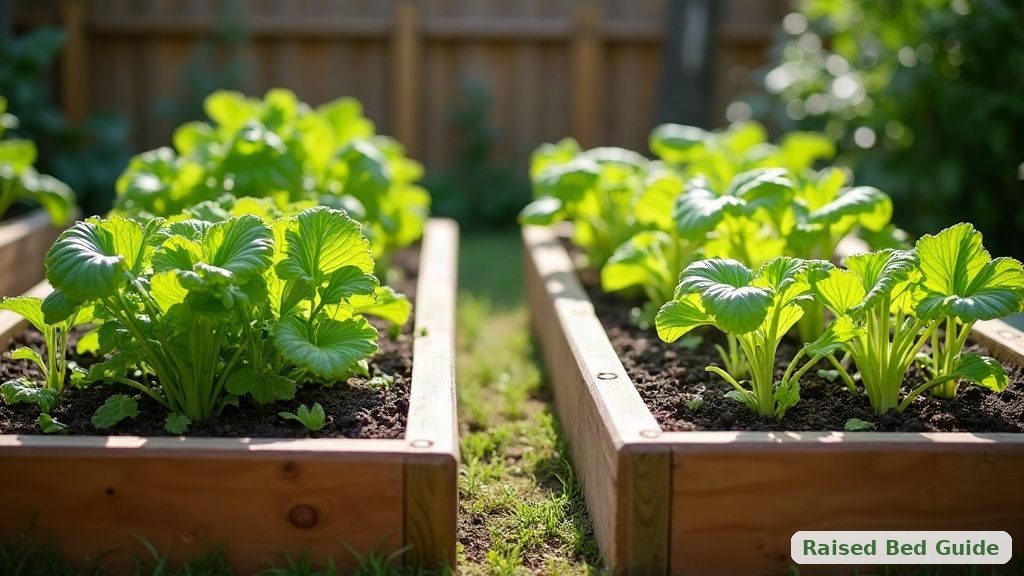
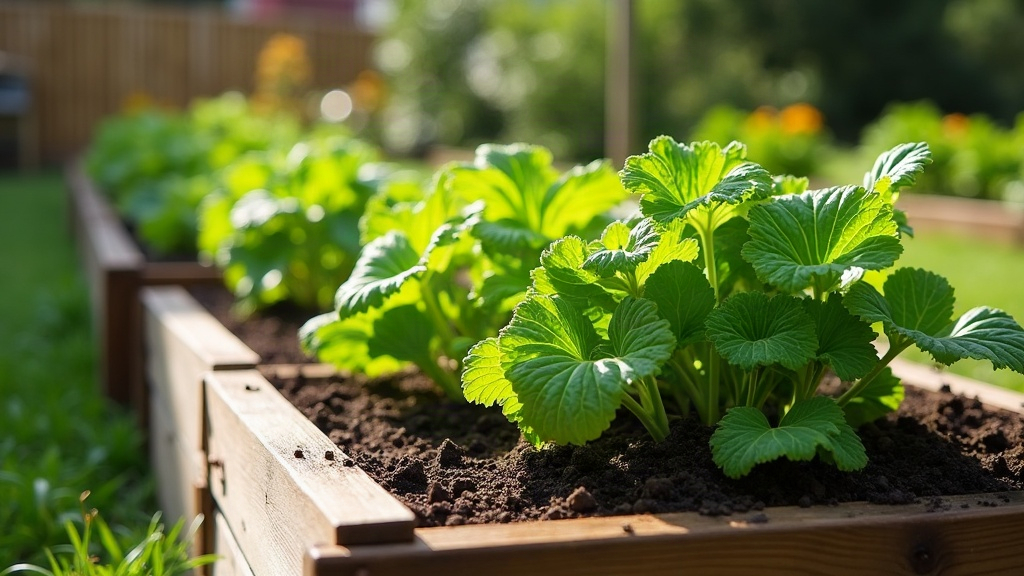
Lettuce, spinach, kale, and Swiss chard are the crops that make a beginner feel like a gardener within weeks. They germinate quickly, tolerate cool weather, and the loose raised-bed soil lets you direct-sow seeds thickly and thin as you go. Because you harvest leaves rather than waiting for a fruit to ripen, there’s no long anxious wait — you’re eating salad while your tomatoes are still deciding whether to flower.
Leafy greens also handle the shallower end of raised-bed depth well, since their roots stay near the surface. If you’re still deciding on dimensions, our guide on how tall a raised garden bed should be walks through what different crops actually need.
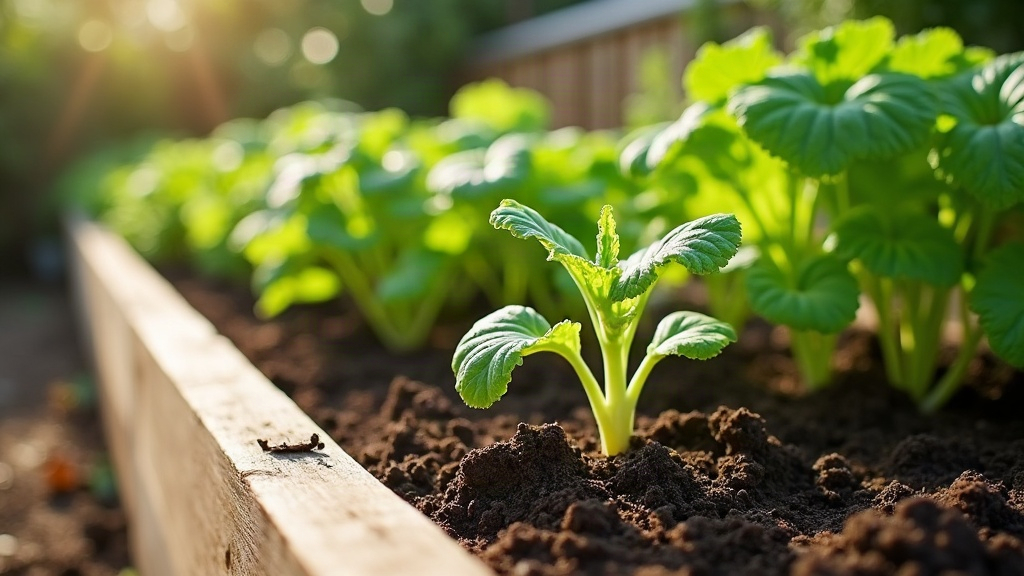
Herbs: nearly foolproof, and they earn their space
Basil, parsley, cilantro, dill, and chives thrive in the warm, well-drained soil a raised bed provides — many herbs actually prefer the slightly leaner, faster-draining conditions that would frustrate heavier feeders. Tuck them along the edges of the bed where they’re easy to snip, and they’ll keep producing for months. A single healthy basil plant can flavor an entire summer of cooking.
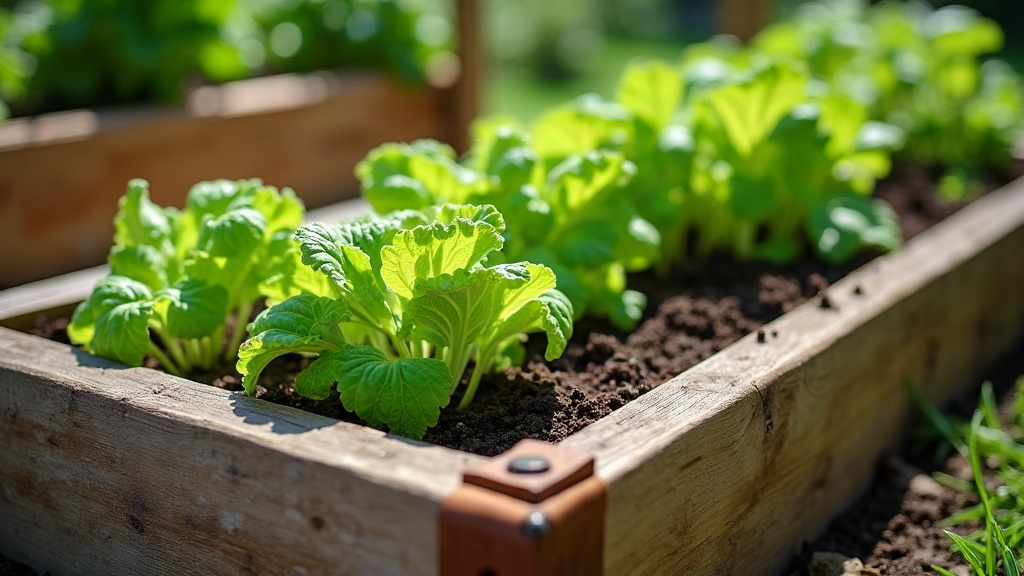
Root crops love loose raised-bed soil
Radishes, carrots, and beets are almost unfairly easy in a raised bed. In heavy garden ground, carrots fork and stunt when they hit compacted clay — but the fluffy, stone-free mix in a well-built raised bed lets roots grow straight and long. Radishes are the instant-gratification crop here, ready in three to four weeks. Carrots and beets take longer but ask almost nothing of you in between.
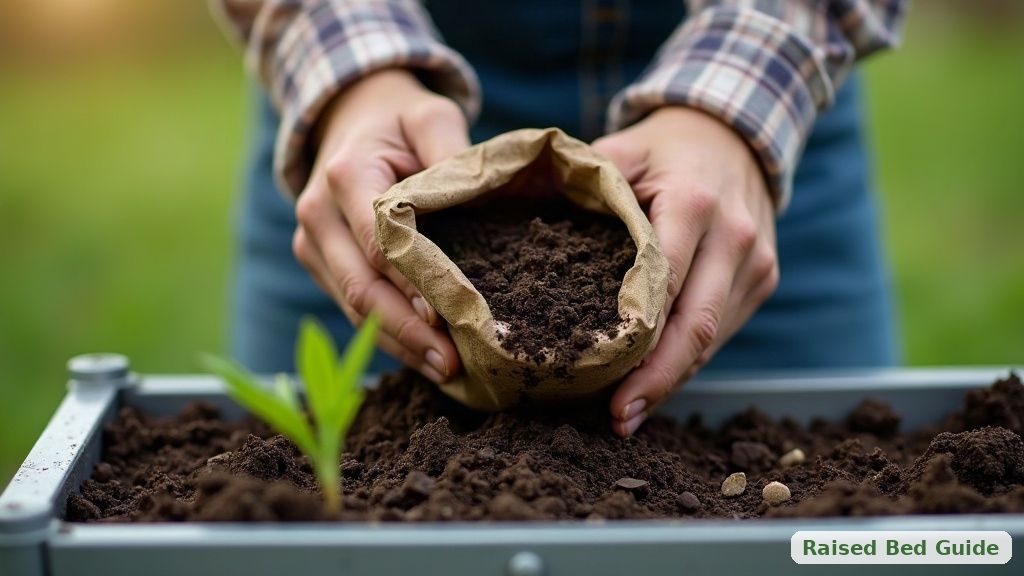
The one thing root crops care about is soil quality, since they’re literally growing into your fill. If you haven’t finalized your mix, start with our raised bed soil mix basics so your carrots have somewhere good to go.
Tomatoes and peppers — the classic payoff crops
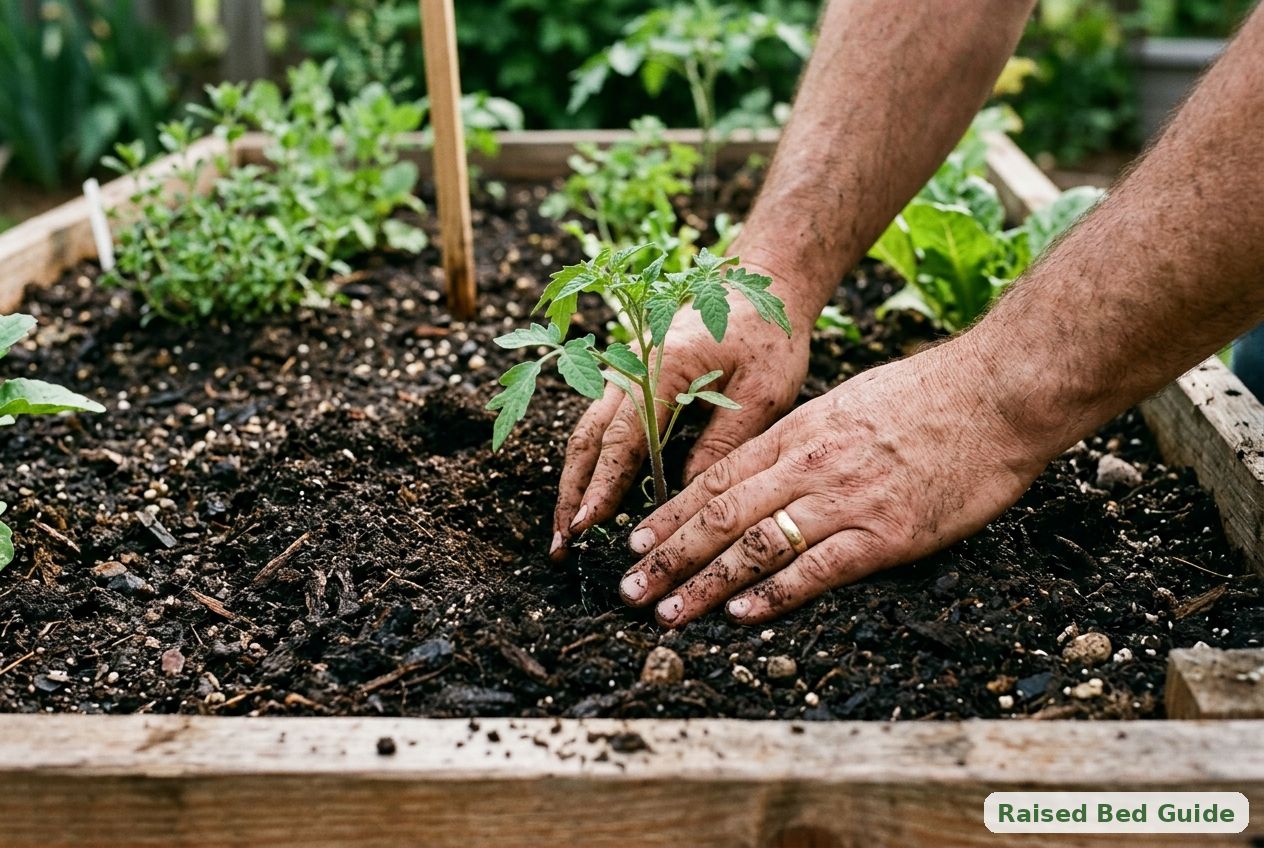
Tomatoes are the vegetable most people plant a raised bed for, and the warmer, deeper soil genuinely helps them get going faster than in-ground plantings. They do ask more of you than greens: staking or caging, consistent water, and enough depth for their roots. Peppers follow the same rules and love the heat a raised bed traps around their roots.
Both are worth the extra effort, but treat them as your “level two” crops. Get a leafy-green and radish win under your belt first, then commit a corner of the bed to a couple of tomato plants with real support.
Bush beans and zucchini for effortless volume
Bush beans are the crop that quietly out-produces everything else. Direct-sow the seeds, keep them watered, and you’ll be picking handfuls within two months — no trellis required for bush varieties. They also fix nitrogen, gently improving your soil as they grow.
Zucchini is the running joke of the vegetable world for a reason: one or two plants will bury you in squash. In a raised bed with room to sprawl, a single plant is often enough for a whole household. Give it space and don’t over-plant — beginners almost always plant too much zucchini.
Watering and spacing matter more than variety
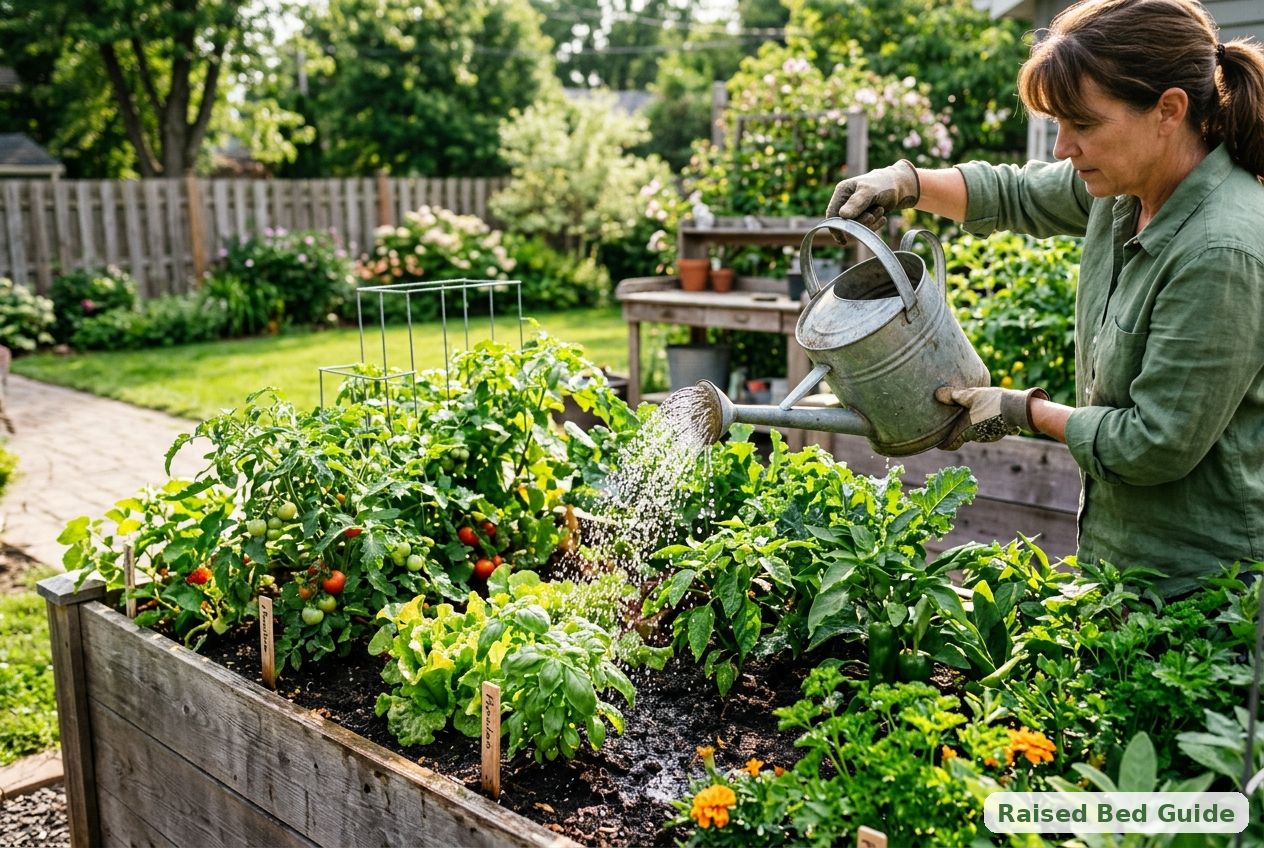
Raised beds drain faster than open ground, which is a blessing in wet weather but means they can dry out quicker in summer heat. Consistent watering — ideally a deep soak rather than frequent sprinkles — is the single biggest factor in a productive first year. Crowding is the second: give each plant the space listed on the seed packet, because a raised bed’s rich soil tempts beginners to pack plants too tightly.
If you’re still weighing whether a raised bed is even the right call for your space, our comparison of raised bed vs in-ground gardening lays out the trade-offs.
📚 Related In-Depth Analysis
- Compare findings with our guide on How To Keep Animals Out Of Raised Garden Bed.
- Compare findings with our guide on Raised Bed Companion Planting.
📚 Related In-Depth Analysis
- Compare findings with our guide on Raised Bed Soil Mix Basics.
- Compare findings with our guide on How Much Soil For A Raised Bed.
🔧 Interactive Planning Tool
Need exact measurements for your setup? Use our Raised Bed Soil Volume & Mel’s Mix Estimator to Calculate cubic yards of soil and component ratios for your garden beds.
A simple first-year plan
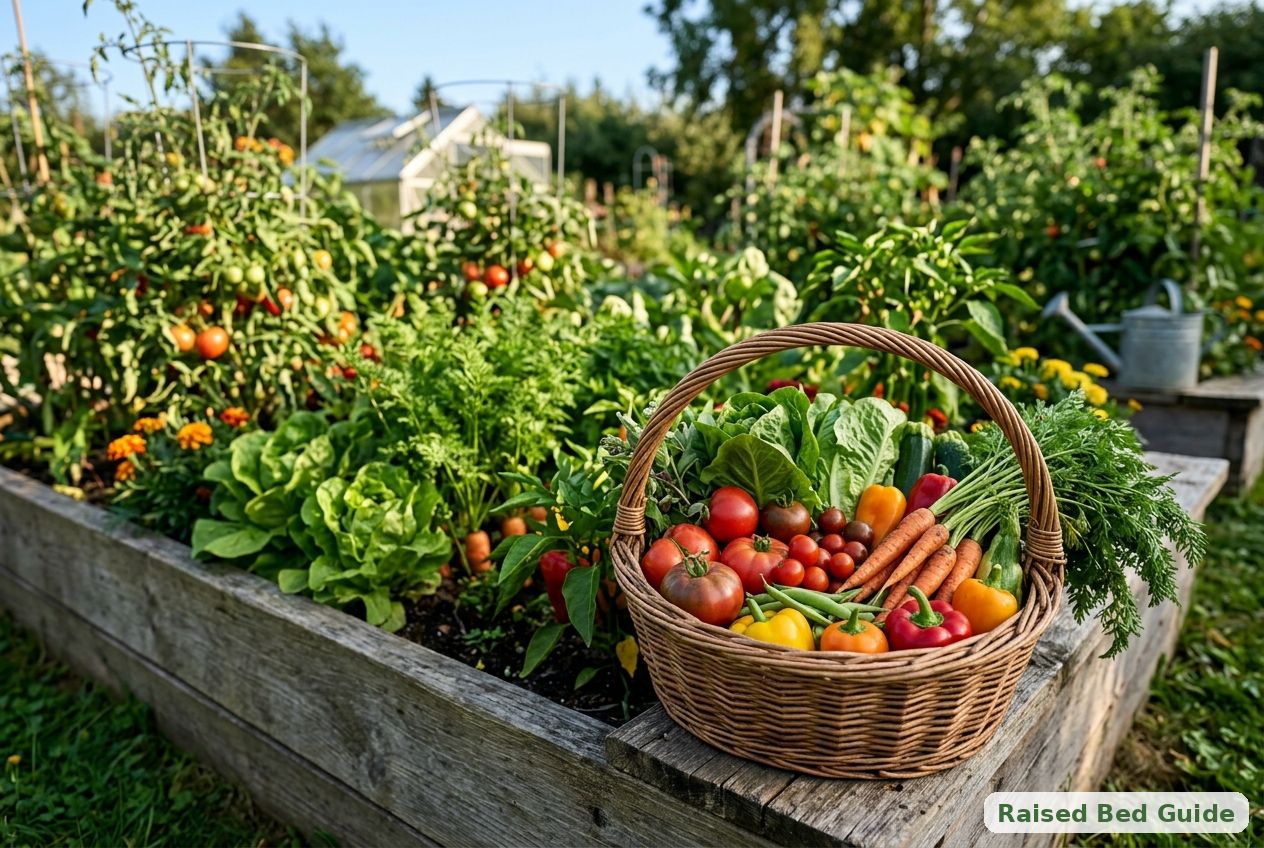
If you want one recommendation to act on: plant a row of lettuce, a patch of radishes, a couple of basil plants, one or two tomatoes with a cage, and a single zucchini. That mix gives you fast early wins, steady mid-season harvests, and a couple of showpiece crops — without overwhelming a beginner or a single bed. Master that, and next year you can branch into anything.
The best vegetable for a raised bed isn’t a single plant — it’s whichever crop matches the loose, warm, well-drained conditions a raised bed is built to provide. Start with the forgiving ones, water consistently, and let a good first harvest teach you the rest.
Related: Raised bed companion planting