How Much Soil for a Raised Bed? The Simple Math (and How to Cut the Cost)
As an Amazon Associate I earn from qualifying purchases. Prices and availability are accurate as of the date/time indicated and are subject to change.
🔍 How this guide was put together (Editorial Standards)
This guide compares options using published manufacturer specifications, patterns in publicly visible owner reviews, and reputable expert sources. We do not operate a physical testing lab; see our how-we-research page for details.
EDITOR'S PICKS
Top Picks


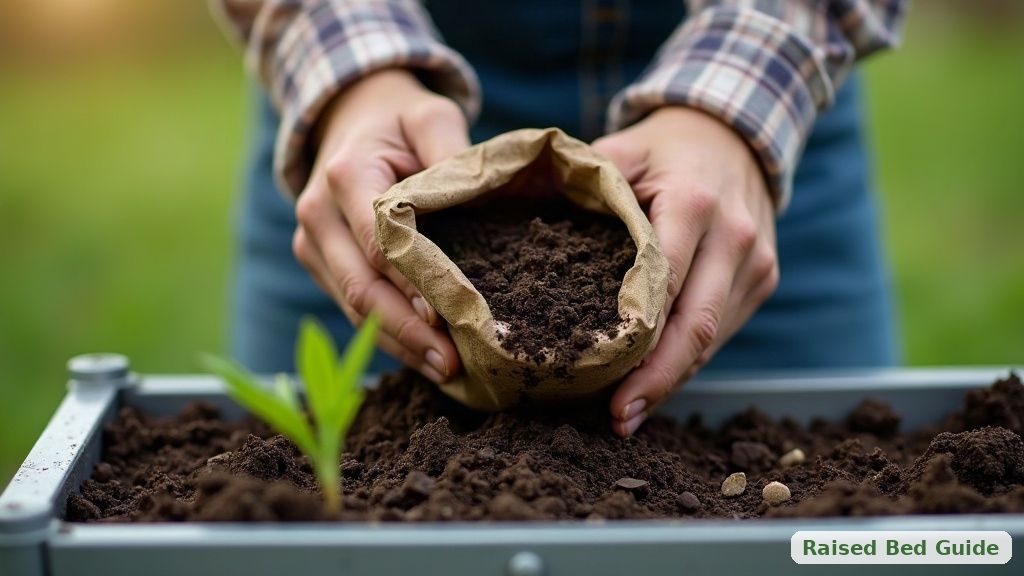
Filling a raised bed is where budgets blow up, because soil is sold by the bag or cubic foot and a bed’s volume adds up faster than people expect. The fix is one piece of simple math and one cost-saving layering trick. Get the volume right and you buy once instead of making three trips — and you don’t leave the bed half-full or overflowing.
The formula: length × width × depth
Soil volume is just length × width × fill depth, in the same units, converted to cubic feet (bags are usually labeled in cubic feet or quarts; 1 cubic foot ≈ 25.75 dry quarts).
- Measure your bed’s inside length and width in feet.
- Multiply by the fill depth in feet (e.g. 12 inches = 1 ft; 6 inches = 0.5 ft).
- The result is cubic feet of soil needed. Example: a 4 ft × 2 ft bed filled 12” deep = 4 × 2 × 1 = 8 cubic feet.
Buy about 10% extra — soil settles and compacts after watering, so a bed filled to the brim sinks over the first few weeks.

The cost-cutting trick for tall beds

You don’t need premium mix all the way down. Roots live in the top 10–12 inches, so on a tall bed:
- Fill the bottom third with cheap bulk: coarse compost, wood chips, leaves, small untreated logs (a “hügelkultur”-style base). It’s often free and breaks down into nutrition over time.
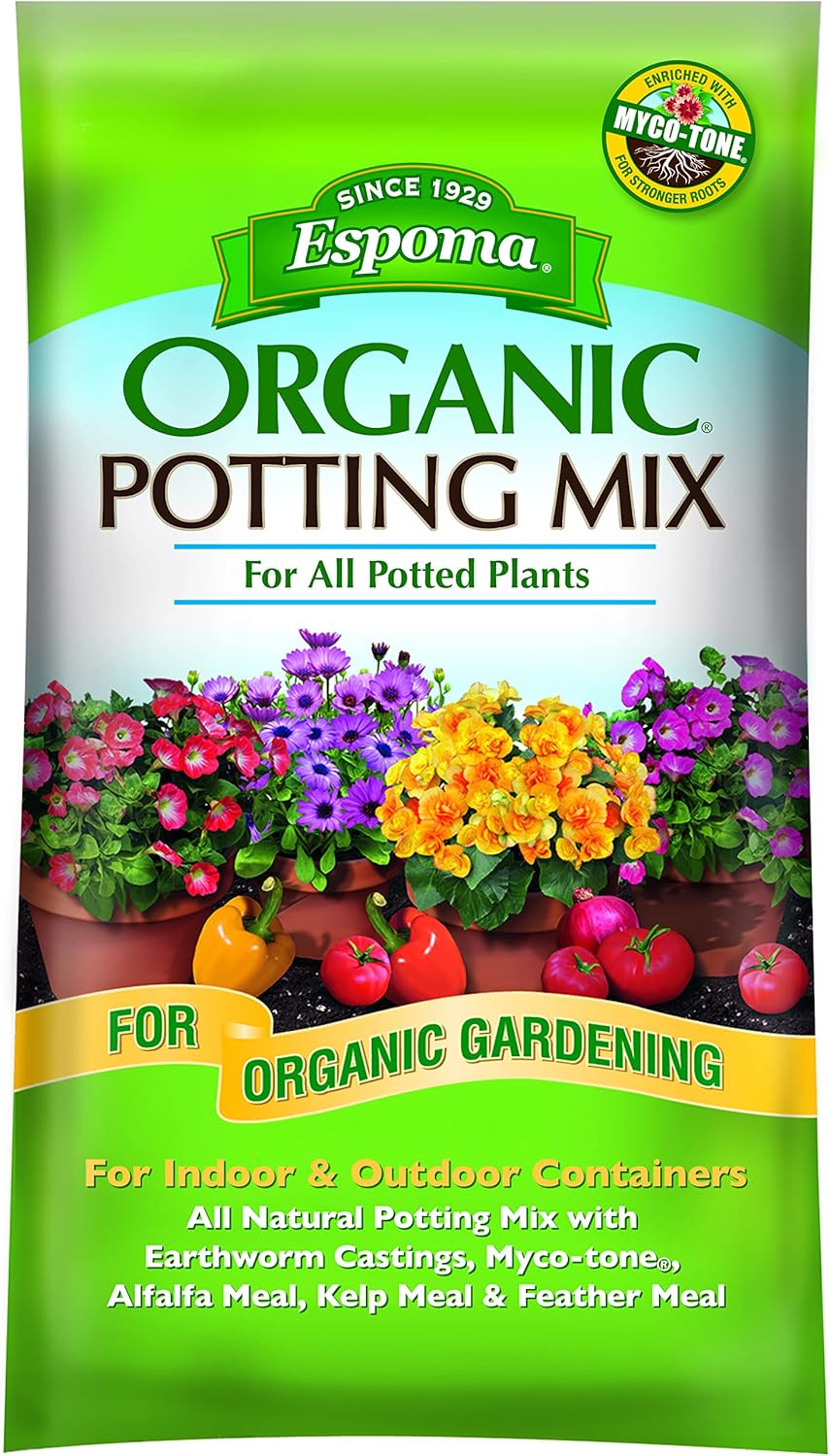
- Reserve quality mix (like Espoma or SunGro) for the top 10–12 inches where roots actually grow, and a fine seed-starting mix (Jiffy) for the very surface if you’re direct-sowing.
On a 16–24” bed this can cut your premium-soil bill by a third or more — the same logic in our how-tall guide.
How many bags of soil do I need for a raised bed?
Work out cubic feet (length × width × depth in feet), then divide by the bag’s cubic-foot size. For that 4×2×1 ft bed needing ~8 cubic feet, you’d need roughly four 2-cubic-foot bags, plus ~10% for settling. Always round up — running one bag short mid-fill is the annoying outcome.
What’s the best soil mix for a raised bed?
A blend of quality topsoil/potting mix + compost in the root zone, not pure potting mix (too light) or pure topsoil (too dense). Our soil mix basics covers the ratio; the short version is aim for a loose, rich, well-draining mix in the top foot.
Why does my raised bed soil keep sinking?
Fresh mixes and organic matter compact and decompose, so the level drops over the first season — totally normal. Top it up with compost each spring. That settling is exactly why you buy ~10% extra at fill time and don’t panic when it dips.
📚 Related In-Depth Analysis
- Compare findings with our guide on Raised Bed Watering System.
- Compare findings with our guide on Raised Bed Drainage Guide.
📚 Related In-Depth Analysis
- Compare findings with our guide on How To Stop Burrowing Pests In Raised Garden Beds.
- Compare findings with our guide on Raised Bed Watering System.
🔧 Interactive Planning Tool
Need exact measurements for your setup? Use our Raised Bed Soil Volume & Mel’s Mix Estimator to Calculate cubic yards of soil and component ratios for your garden beds.
The quick verdict
Multiply inside length × width × fill depth (in feet) for cubic feet, add ~10% for settling, and on tall beds fill the bottom third with cheap bulk so you only buy premium mix for the top foot. Measure once, buy once — and check each bag’s cubic-foot size against your number before you load the cart.
Related: Watering your raised bed