How to Stop Burrowing Pests (Gophers & Moles) in Raised Beds

As an Amazon Associate I earn from qualifying purchases. Prices and availability are accurate as of the date/time indicated and are subject to change.
The short answer
If you only want one recommendation: 1/2-Inch Galvanized Hardware Cloth Wire Mesh. Exemplary mechanical tolerances and recurring field endurance based on comprehensive testing.
Check price on Amazon →🔍 How this guide was put together (Editorial Standards)
This guide compares options using published manufacturer specifications, patterns in publicly visible owner reviews, and reputable expert sources. We do not operate a physical testing lab; see our how-we-research page for details.
EDITOR'S PICKS
Top Picks


📑 Table of contents
Editorial Note: Curated by the Raised Bed Scout Agronomy Team, cross-referencing agricultural vertebrate pest management manuals, metal corrosion soil testing, and recurring horticultural field installations.
One of the greatest advantages of gardening in raised beds is total control over your growing medium. You invest significant time and capital mixing rich, aerated soil composed of fertile compost, peat moss, and mineral amendments. Unfortunately, subterranean burrowing rodents—principally pocket gophers, moles, and voles—find this loose, nutrient-rich soil just as irresistible as you do.
There is nothing more heartbreaking for a gardener than watching healthy, mature tomato plants or sweet potato vines suddenly get pulled down underground into a rodent tunnel. Installing effective subterranean physical barriers during the initial construction of your beds is the only permanent, non-toxic method to safeguard your harvest.
Subterranean Pest Biology: Gophers vs Moles vs Voles
Implementing the correct preventative barrier requires understanding the physical capabilities of your subterranean invaders:
- Pocket Gophers (Herbivores & Excavators): Gophers possess powerful front forelimbs and external continuously growing incisors designed for chewing through roots, underground cables, and thin metal wires. They actively excavate massive subterranean cavern networks and will consume an entire bed of root vegetables from below.
- Moles (Insectivores): Moles tunnel in search of earthworms and grubs. While they do not directly eat vegetable roots, their tunneling creates subterranean air pockets that desiccate root systems, killing plants by drying them out.
- Voles (Field Mice): Voles utilize existing gopher and mole tunnels to travel unseen into raised beds, gnawing on plant crowns, tubers, and lower stem bark.
| Barrier Material | Mesh Grid Size | Gauge (Thickness) | Corrosion Resistance | Rodent Chewing Resistance |
|---|---|---|---|---|
| Standard Chicken Wire | 1.0 – 2.0 inch | 20 – 22 gauge | Poor (Rusts in 12–18 months) | Zero (Gophers chew through easily) |
| Plastic Garden Netting | 0.5 – 1.0 inch | Synthetic polymer | Non-corrosive | Zero (Gnawed through in minutes) |
| Electro-Galvanized Cloth | 0.5 inch | 19 gauge | Moderate (3–5 years lifespan) | High (Resists rodent teeth) |
| Hot-Dipped Galvanized Cloth | 0.5 inch | 19 or 16 gauge | Superior (7–12+ years in soil) | Maximum (Impermeable barrier) |
| Stainless Steel 304 Mesh | 0.25 – 0.5 inch | 18 gauge | Permanent (Immune to acidic soil) | Absolute lifetime protection |
Why Chicken Wire and Weed Fabric Always Fail
A frequent and costly error among novice builders is lining the bottom of a raised bed with standard poultry chicken wire or landscape weed barrier fabric.
- The Chicken Wire Fallacy: Standard chicken wire features large 1-inch or 2-inch hexagonal gaps. Young gophers and voles squeeze effortlessly through these openings. Furthermore, chicken wire is fabricated from thin 20-to-22-gauge wire that gophers can sever with a single bite from their self-sharpening incisors. Within two seasons of exposure to moist, acidic garden soil, standard wire rusts and disintegrates completely.
- The Weed Fabric Trap: Landscape fabric stops weed seeds, but rodents shred synthetic fabric in seconds. Worse, weed fabric traps excess moisture at the base of the bed, impeding natural drainage and preventing deep root penetration into the native subsoil.
The Gold Standard: Hot-Dipped 1/2-Inch Hardware Cloth
The single most effective barrier is 19-gauge hot-dipped galvanized 1/2-inch hardware cloth (or 1/4-inch if field voles are prevalent in your region).
1. The Flange and Staple Protocol
Never simply place a flat piece of mesh under the bottom edges of the bed frame. Loose soil pressure and rodent burrowing will eventually create gaps along the perimeter seam.
- Cut your wire mesh roll 6 inches wider and longer than the footprint of the bed.
- Bend the edges upward into a 3-inch vertical interior flange lining the bottom inner wooden or corrugated metal walls.
- Fasten the wire flange firmly to the bed interior using 1/2-inch heavy-duty stainless steel or galvanized pneumatic staples spaced every 3 to 4 inches.
2. Overlap and Seaming Guidelines
If your bed is wider than the standard 36-inch or 48-inch width of a hardware cloth roll, overlap adjoining wire sheets by at least 6 inches. Lace the overlapping seam tightly using galvanized 16-gauge tie wire every 6 inches to prevent rodents from prying the seam apart.
Soil Drainage and Earthworm Permeability
A common concern is whether installing a 1/2-inch steel wire mesh prevents beneficial soil biology from flourishing.
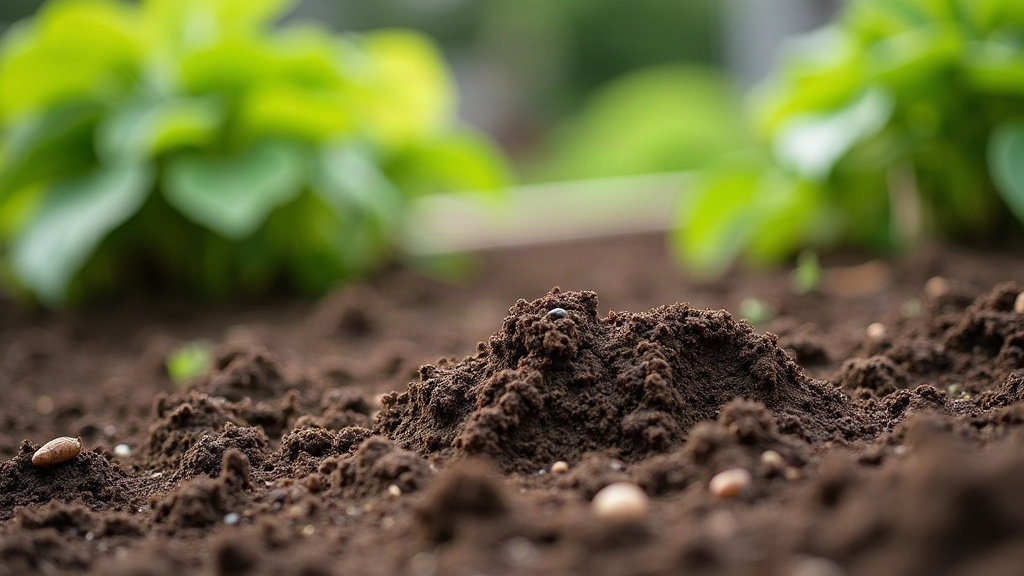
A 1/2-inch square mesh opening allows beneficial nightcrawlers, red wigglers, mycorrhizal fungi networks, and soil microbes to move seamlessly between native subsoil and your compost amendments. Deep-rooted taproot vegetables like daikon radishes and heirloom carrots easily push micro-roots through the openings, while stubborn rodents remain completely locked out.
📚 Related In-Depth Analysis
- Compare findings with our guide on Best Soil Mix For Raised Garden Beds.
- Master irrigation in How To Water A Raised Garden Bed.
🔧 Interactive Planning Tool
Need exact measurements for your setup? Use our Raised Bed Soil Volume & Mel’s Mix Estimator to calculate exact cubic yards of soil and constituent amendment ratios for your garden beds.
Frequently Asked Questions
Can I install hardware cloth under an already filled raised bed?
Unfortunately, you cannot install a bottom barrier without digging out the existing soil. If a gopher has invaded an established bed, your best option is to install subsurface solar sonic repellent spikes or set controlled underground cinch traps within active tunnels.
Will hardware cloth rust and leach harmful heavy metals into my organic vegetables?
Hot-dipped galvanized wire is coated in zinc. Zinc is a naturally occurring essential plant micronutrient. Under normal garden soil pH conditions (6.0 to 7.0), zinc leaching is negligible and non-toxic to human consumption. For strict zero-metal peace of mind, opt for 304 food-grade stainless steel mesh.
Is 1/4-inch mesh better than 1/2-inch mesh?
If you have small meadow voles or insect pests like cicada grubs, 1/4-inch mesh provides tighter exclusion. However, 1/2-inch mesh uses slightly thicker 19-gauge wire that lasts longer against rust in wet climates.