How to Water a Raised Garden Bed: The Right Amount, Time, and Method (2026)
As an Amazon Associate I earn from qualifying purchases. Prices and availability are accurate as of the date/time indicated and are subject to change.
🔍 How this guide was put together (Editorial Standards)
This guide compares options using published manufacturer specifications, patterns in publicly visible owner reviews, and reputable expert sources. We do not operate a physical testing lab; see our how-we-research page for details.
EDITOR'S PICKS
Top Picks

Raised beds are wonderful, but they have one built-in catch: they drain and dry out faster than in-ground soil because the sides are exposed to air. That’s why watering is the single biggest thing new raised-bed gardeners get wrong — too little and plants wilt, too shallow and roots stay near the surface. The good news: the right approach is simple and mostly hands-off. Here’s how much, how often, and the best way to do it.
The golden rule: deep and infrequent
Water deeply but less often, not a little every day. Deep watering pulls roots downward, making plants more drought-resilient; shallow daily sprinkles keep roots at the surface where they dry out fast.
- Aim for ~1–1.5 inches of water per week (more in heat), delivered in 2–3 deep sessions rather than daily splashes.
- Water until it drains from the bottom — that means the whole root zone is wet.
- Check before watering: stick a finger 2–3 inches in; if it’s dry at that depth, water; if still moist, wait. Don’t water on a schedule alone.
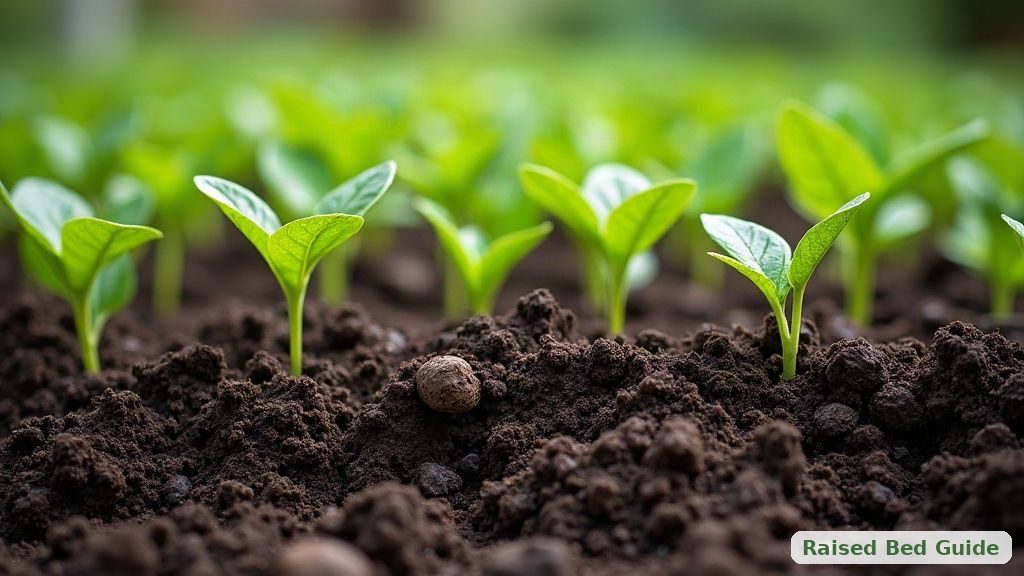
Best method: at the roots, in the morning
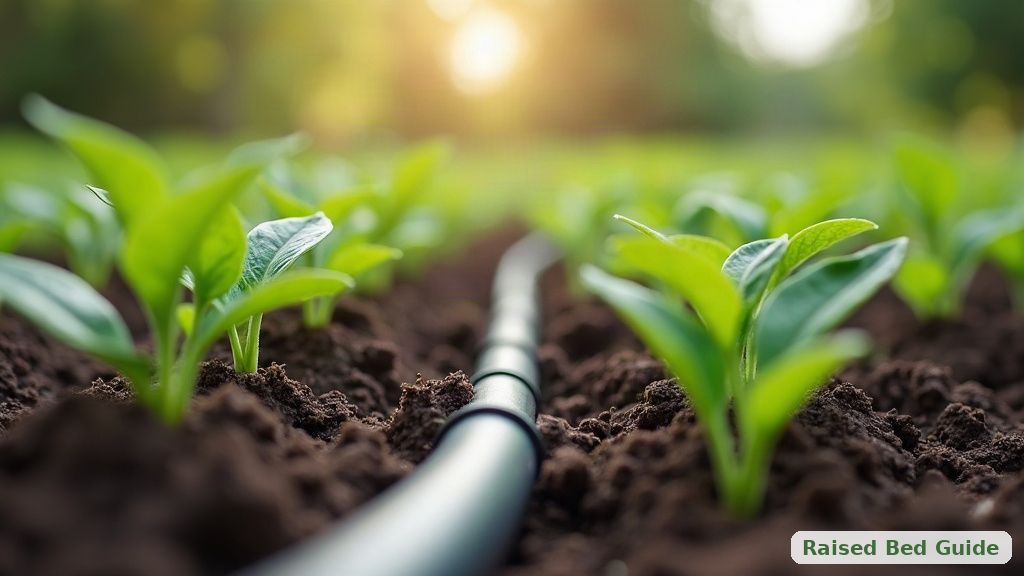
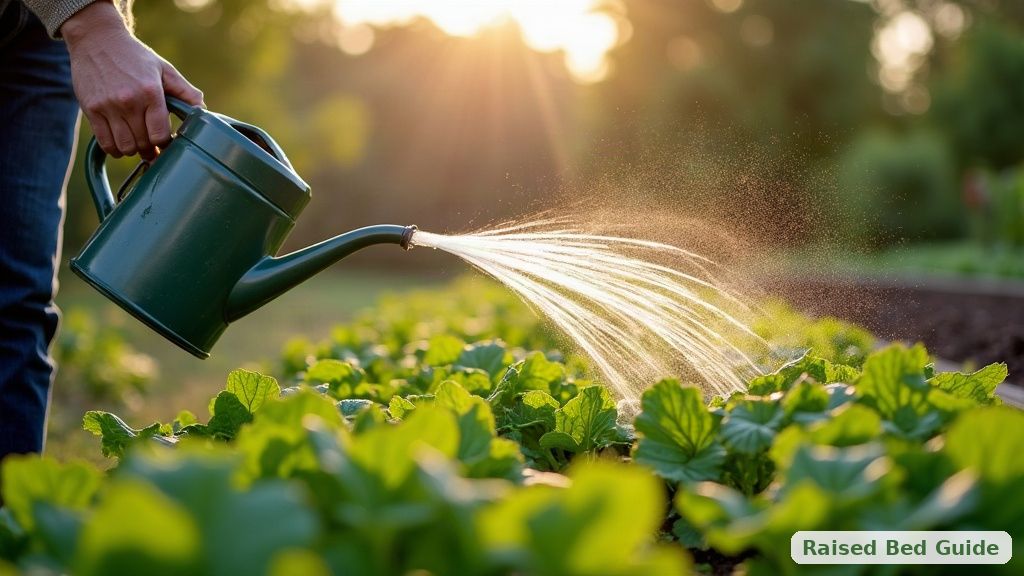
- Water the soil, not the leaves — wet foliage invites disease. A drip line or soaker hose on a timer is the gold standard for raised beds: even, deep, at the roots, no effort.
- Water in the morning so plants drink before the heat and leaves dry by night.
- Mulch the surface (straw, wood chips) — it dramatically slows evaporation, so you water less. This pairs with getting your soil mix right for moisture retention.
- Deeper beds hold moisture longer — a factor when choosing bed height (see how tall should a raised bed be).
How often should I water a raised garden bed?
Deeply 2–3 times a week in mild weather, more (even daily) in peak heat or for shallow beds — but always check the soil first (finger 2–3” down) rather than watering on autopilot. Raised beds dry faster than the ground, so they need more frequent water than an in-ground plot (raised bed vs in-ground).
How much water does a raised bed need?
Roughly 1–1.5 inches per week total (rain included), more in heat. Deliver it deeply so the whole root zone wets and drains, in a few sessions rather than daily. Mulch and a good moisture- retaining soil mix reduce how much you need.
What’s the best way to water a raised bed?
A drip line or soaker hose on a timer, watering the roots in the morning, with mulch on top to cut evaporation. It’s even, deep, disease-smart, and hands-off — far better than hand-watering the leaves in the evening. Hand-watering works too; just aim at the soil and go deep.
Why does my raised bed dry out so fast?
Because raised beds expose soil to air on the sides and drain freely — that’s normal. Fixes: mulch heavily, use a deeper bed (like the 17” Vego), add moisture-retaining organic matter to the soil mix, and water deeply. Fabric beds dry fastest; metal/wood hold longer.
📚 Related In-Depth Analysis
- Compare findings with our guide on Best Vegetables Raised Bed Beginners.
- Compare findings with our guide on How To Keep Animals Out Of Raised Garden Bed.
📚 Related In-Depth Analysis
- Compare findings with our guide on Metal Vs Wood Vs Fabric Raised Beds.
- Compare findings with our guide on Best Metal Raised Garden Beds.
🔧 Interactive Planning Tool
Need exact measurements for your setup? Use our Raised Bed Soil Volume & Mel’s Mix Estimator to Calculate cubic yards of soil and component ratios for your garden beds.
Water smart, not often
Water deep and infrequent (~1–1.5”/week in a few sessions), check the soil before watering, deliver it at the roots in the morning, and mulch to slow evaporation — a drip line on a timer makes it effortless. Get that right and raised-bed watering stops being a daily chore and your plants root deeper and stronger.