Best Metal Raised Garden Beds (2026): 3 Recurring Options for Real Backyards
As an Amazon Associate I earn from qualifying purchases. Prices and availability are accurate as of the date/time indicated and are subject to change.
The short answer
If you only want one recommendation: Vego Garden 17" Tall Modular Metal Raised Bed (6-in-1 Kit). For most first-time raised-bed gardeners, the Vego 6-in-1 kit is the correct pick: 17" depth handles nearly any vegetable, modular configuration means you can reshape as you learn what works in your space, and the brand has enough reputation that replacement parts are actually available. Skip only if you specifically need multiple separate beds (then SnugNiture) or a much larger single footprint (then Vego 10-in-1).
Check price on Amazon →🔍 How this guide was put together (Editorial Standards)
This guide compares options using published manufacturer specifications, patterns in publicly visible owner reviews, and reputable expert sources. We do not operate a physical testing lab; see our how-we-research page for details.
EDITOR'S PICKS
Top Picks
TOP PICK

Vego Garden 17" Tall Modular Metal Raised Bed Kit, 6-in-1
Best modular starter — reshape into different footprints, 17" depth for most vegetables, established brand support.
RUNNER-UP

Vego Garden 17" Tall Jumbo Modular Metal Raised Bed Kit, 10-in-1
Best for large yards or serious vegetable gardening — same build quality as the 6-in-1, larger total footprint per kit.
BEST VALUE

SnugNiture Raised Garden Bed 4x2x1ft (2-Pack)
Best for multiple separate beds — fixed rectangular design, lower profile (1ft depth), 2 beds per purchase for small-crop separation.
📑 Table of contents
- Bed depth (height) — the specification that determines what you can grow
- Modular vs. fixed — what “reconfigurable” actually gets you
- Soil temperature — the underappreciated metal-vs-wood trade-off
- Who should buy which — decision framework
- What actually fills a raised bed (and why bagged potting soil isn’t the answer)
- Common first-year mistakes with metal raised beds
- Comparison
- Related guides
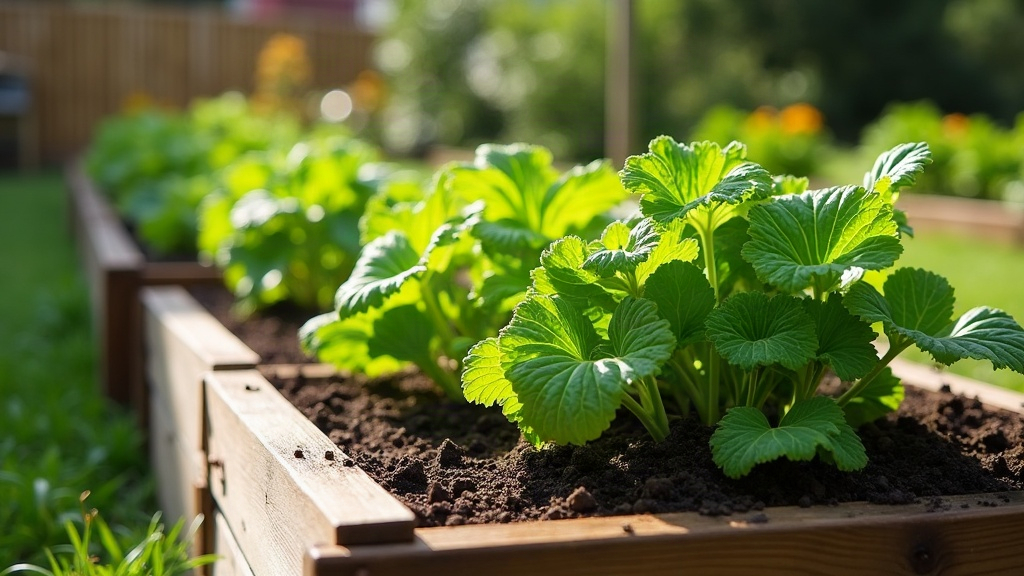
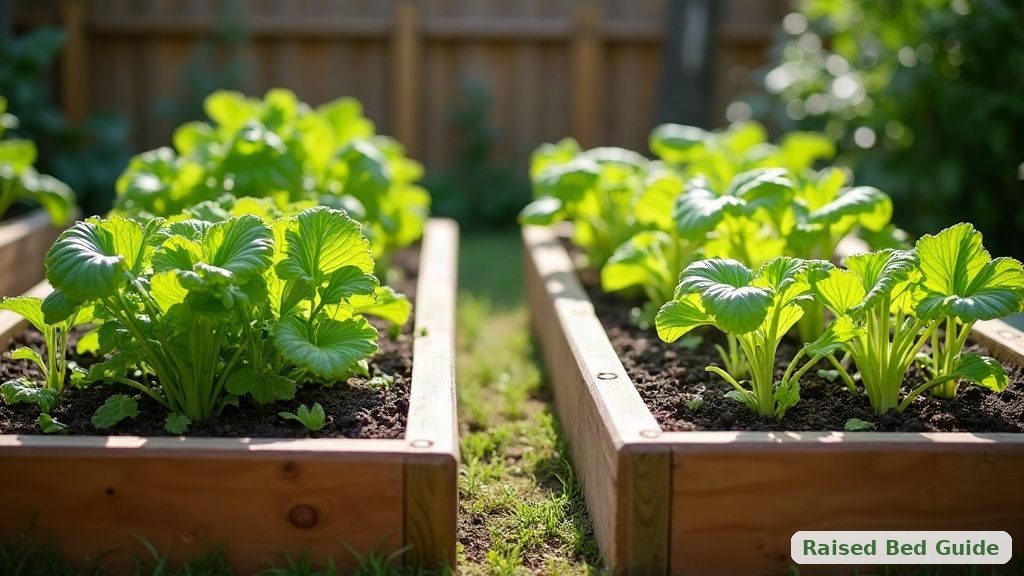
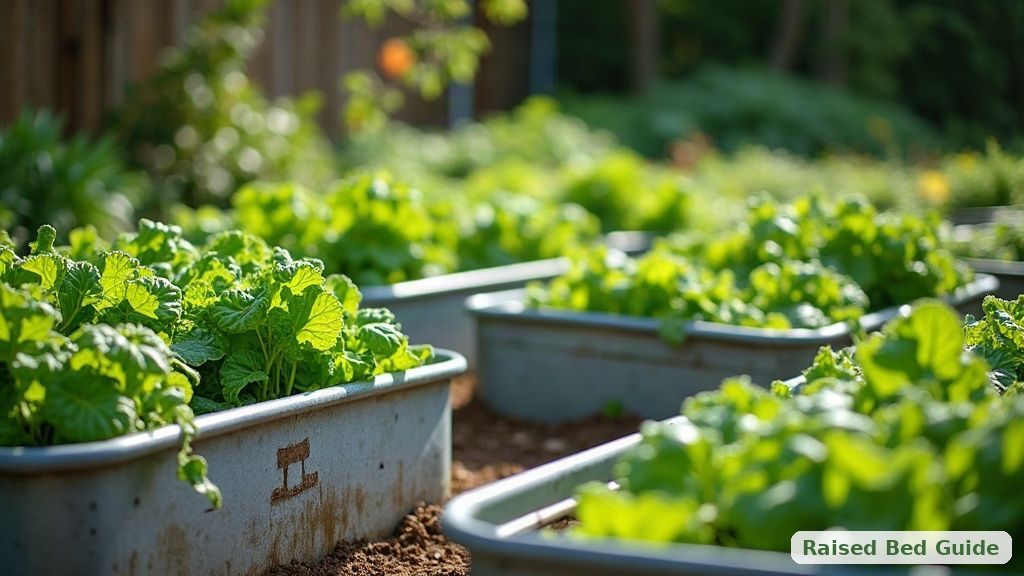
Metal raised garden beds solve the biggest long-term problem with wood raised beds (rot, which starts at 3-5 years even with cedar), but the category has diverged into two very different product types: modular kits you can reconfigure into different shapes, and fixed-dimension beds in specific rectangular sizes.
Below, we cover what actually matters (bed depth, modularity, soil temperature behavior), then three recurring picks with clear guidance on who each is for.
Bed depth (height) — the specification that determines what you can grow
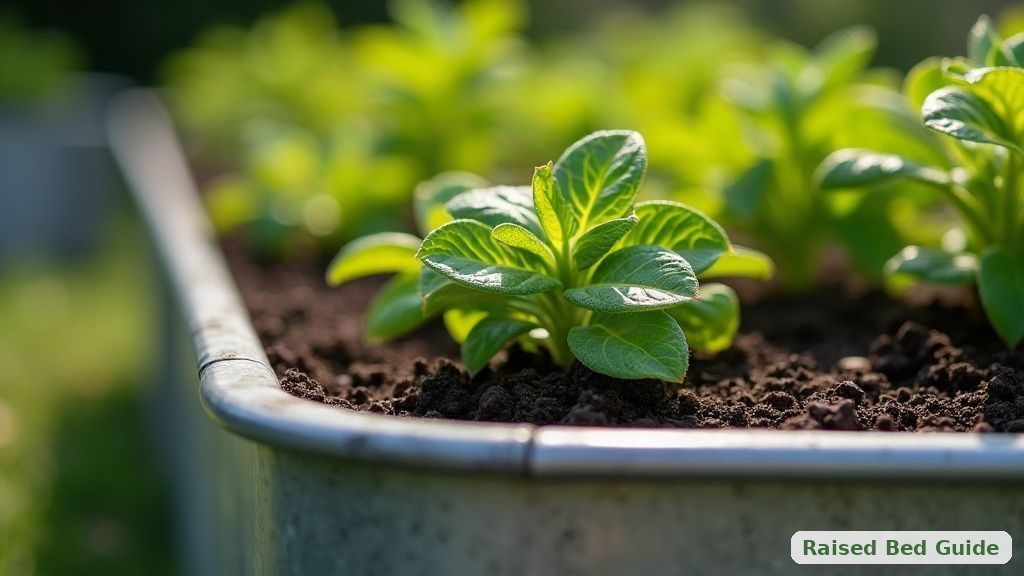
Most raised bed guides gloss over depth, but it’s the single most consequential specification for what your bed can actually support:
- 6-8” deep: shallow-root only. Lettuce, herbs, radishes, spinach. Insufficient for anything with substantial root development.
- 10-12” deep (like the SnugNiture): OK for most leafy greens, peppers, bush beans, small carrots. Still limits tomatoes, potatoes, larger carrots.
- 16-18” deep (both Vego picks at 17”): supports nearly any home vegetable garden crop including tomatoes, potatoes, corn, deep-rooting carrots, root vegetables.
- 20”+ deep: overkill for most home gardening; enables large fruit trees or perennials.
If you’re planning to grow tomatoes, potatoes, or root vegetables, the extra 5-7 inches of depth on the Vego picks over the SnugNiture is genuinely functional, not just cosmetic.

Modular vs. fixed — what “reconfigurable” actually gets you
The Vego kits ship as flat metal panels + corner brackets. The 6-in-1 name means you can assemble it into 6 different shapes: rectangle, L-shape, keyhole, half-hexagon, etc. The 10-in-1 offers 10 configurations.
Why this matters for a real garden: most first-time raised-bed gardeners plan a specific layout, then discover after one season that:
- The plants they thought would work in that spot get too much shade
- Water drainage is wrong for the plant type
- The neighbor’s dog can jump over
- Foot traffic patterns make a rectangular bed awkward
Modular kits let you disassemble and re-shape after the first season without buying new material. A fixed rectangle (SnugNiture) means committing to one shape forever.
Why fixed still wins sometimes: if you already have a well-planned layout, or you want MULTIPLE separate beds for crop rotation / companion planting, buying two fixed rectangles is often cheaper per square foot than a modular kit configured to the same total area.
Soil temperature — the underappreciated metal-vs-wood trade-off
Metal beds conduct heat far more than wood. This has two consequences most first-time metal-bed buyers don’t anticipate:
Spring advantage: metal beds warm up faster than wood in early spring. You can plant heat-loving crops (tomatoes, peppers) 1-2 weeks earlier than in wood beds at the same latitude. Genuine growing-season extension.
Summer risk: in hot climates (US zones 8+, direct sun for 6+ hours), metal walls can heat root zones to 100°F+ mid-summer, stressing plants. Mitigations:
- Line the interior of the bed with cardboard or landscape fabric before filling — reduces direct wall-to-soil heat transfer
- Mulch heavily on top (2-3” of straw or wood chips) to reduce evaporation cooling
- In extreme climates, wrap the bed exterior with light-colored fabric or paint the outside white
If you’re in a mild climate (US zones 5-7), the summer heat risk is minor. In hot climates, it’s a real consideration that fixes the spring advantage but demands more mid-summer management.
Who should buy which — decision framework
Buy the Vego 6-in-1 if:
- This is your first raised bed and you’re not certain about final layout
- You want depth for most vegetables (17” handles nearly anything)
- You value being able to reshape after learning what works in season 2+
- Brand support and part availability matter — Vego is established enough that replacements exist
Buy the Vego 10-in-1 (Jumbo) if:
- You have a large yard (500+ sq ft available for beds)
- You’re planning ambitious vegetable gardening (multiple crops, meaningful harvest volume)
- Same build/depth priorities as the 6-in-1 but at scale
- The higher upfront cost is offset by more per-kit capacity
Buy the SnugNiture 2-pack if:
- You want multiple separate beds for crop rotation, companion planting, or physical separation of crops with different watering needs
- Your layout is fixed and you don’t need reconfiguration
- 1-foot depth is sufficient for what you plan to grow (leafy greens, herbs, some smaller crops)
- Budget is the constraint — fixed rectangles are cheaper per square foot than modular kits
What actually fills a raised bed (and why bagged potting soil isn’t the answer)
A 4x8-foot bed at 12” depth holds ~32 cubic feet of soil. At typical bagged potting soil pricing ($10-15 per 2-cubic-foot bag), that’s $150-240 just to fill ONE bed. Doing this for multiple beds gets expensive fast.
The standard raised-bed fill approach:
- Bottom 40-50%: bulk topsoil or compost from a landscape supply (delivered by cubic yard, MUCH cheaper per cubic foot than bagged)
- Middle 30-40%: composted manure, aged wood chip / bark, leaf mold
- Top 4-6 inches: quality potting/garden mix (this is where seeds germinate and roots concentrate first)
You DON’T need bagged potting mix throughout the depth. Only the top 4-6 inches genuinely benefits from the more expensive material.
Common first-year mistakes with metal raised beds
-
Assembling on uneven ground — modular kits (Vego especially) rely on corner alignment. If the base is uneven, panels don’t lock cleanly and can bow outward under soil weight. Level the base to within 1 inch before assembly.
-
Forgetting drainage — metal beds sitting on solid concrete or compacted clay drain poorly. Either place on native soil, or drill/leave gaps for drainage in the base.
-
Direct plant-to-metal contact — plants pressed against sun-heated metal walls burn. Keep plants 4-6 inches from bed walls, or use a cardboard/fabric liner (also helps with soil temperature moderation).
-
Overfilling with wet soil in spring — soil is 20-30% heavier when wet. Overfilled beds can bow the walls after the first heavy rain. Fill to 1-2 inches below the top rim.
-
Skipping the wood-chip mulch layer — bare soil in a metal bed dries out fast (metal walls reflect sunlight down, water evaporates more). 2-3” of wood chip or straw mulch on top saves significant watering time all summer.
Comparison
| Model | Depth | Type | Best for |
|---|---|---|---|
| Vego Garden 6-in-1 | 17” | Modular | First-time gardener, flexible layout |
| Vego Garden 10-in-1 Jumbo | 17” | Modular | Large yard, ambitious gardening |
| SnugNiture 2-pack | 1ft | Fixed rectangle | Multiple separate beds, budget |
📚 Related In-Depth Analysis
- Compare findings with our guide on Raised Bed Mulching Guide.
- Compare findings with our guide on Metal Vs Wood Vs Fabric Raised Beds.
📚 Related In-Depth Analysis
- Compare findings with our guide on How Tall Should A Raised Garden Bed Be.
- Compare findings with our guide on Raised Bed Companion Planting.
🔧 Interactive Planning Tool
Need exact measurements for your setup? Use our Raised Bed Soil Volume & Mel’s Mix Estimator to Calculate cubic yards of soil and component ratios for your garden beds.
Related guides
- Raised bed soil mix basics