Raised Bed Companion Planting: What to Grow Together (and Apart) — 2026
As an Amazon Associate I earn from qualifying purchases. Prices and availability are accurate as of the date/time indicated and are subject to change.
🔍 How this guide was put together (Editorial Standards)
This guide compares options using published manufacturer specifications, patterns in publicly visible owner reviews, and reputable expert sources. We do not operate a physical testing lab; see our how-we-research page for details.
EDITOR'S PICKS
Top Picks

📑 Table of contents
A raised bed is the perfect place for companion planting — the concentrated space rewards smart pairings that share light, deter each other’s pests, and use root layers efficiently. Done well, you grow more food in less space with fewer pest problems and no extra chemicals. Done carelessly, you get crowding and plants that compete or stunt each other. Here’s what to grow together, what to keep apart, and how to lay it out.
Classic pairings that work
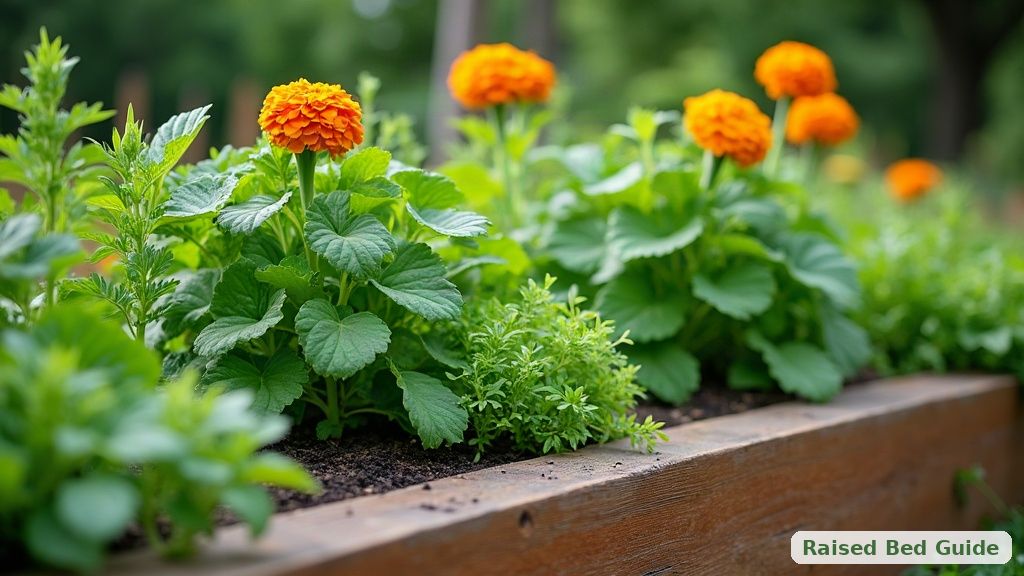
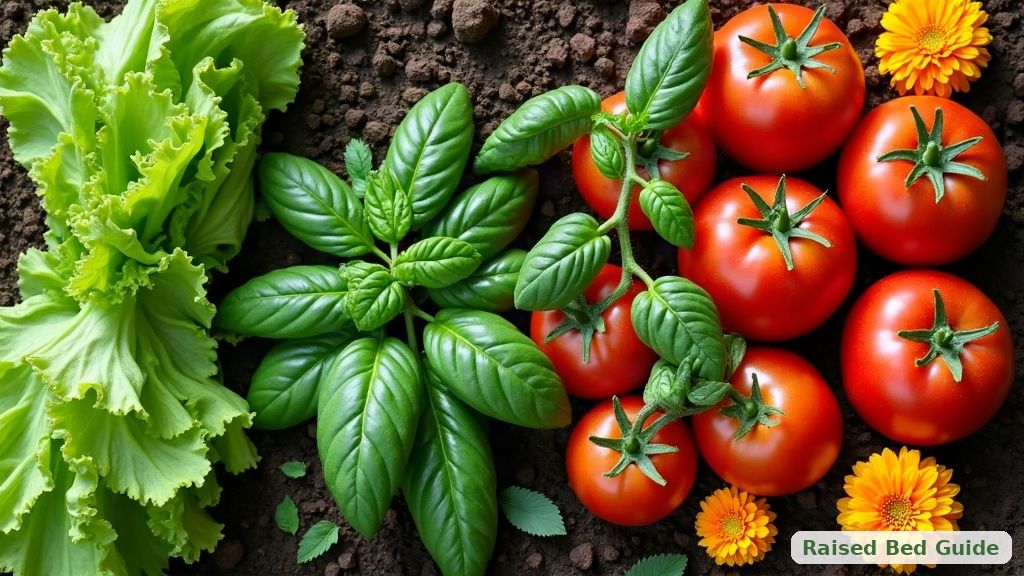
- Tomatoes + basil + marigolds: basil is said to help tomatoes and repels some pests; marigolds deter nematodes and add color.
- Carrots + onions: onions help mask the scent that draws the carrot fly.
- Lettuce + tall plants (tomatoes/trellised beans): lettuce enjoys the light shade in summer heat.
- Beans + corn + squash (“three sisters”): beans fix nitrogen, corn supports beans, squash shades soil — though it needs space (better in a large or deep bed).
- Herbs (basil, dill, cilantro) throughout: many attract pollinators/beneficials and deter pests.

What to keep apart
- Onions/garlic away from beans and peas — alliums can stunt legumes.
- Fennel on its own — it inhibits many neighbors; give it its own spot.
- Don’t crowd heavy feeders together (e.g. multiple brassicas) — they compete for nutrients; mind your soil mix and spacing.
- Mind mature size — a sprawling squash will bury small neighbors.
How to lay out the bed
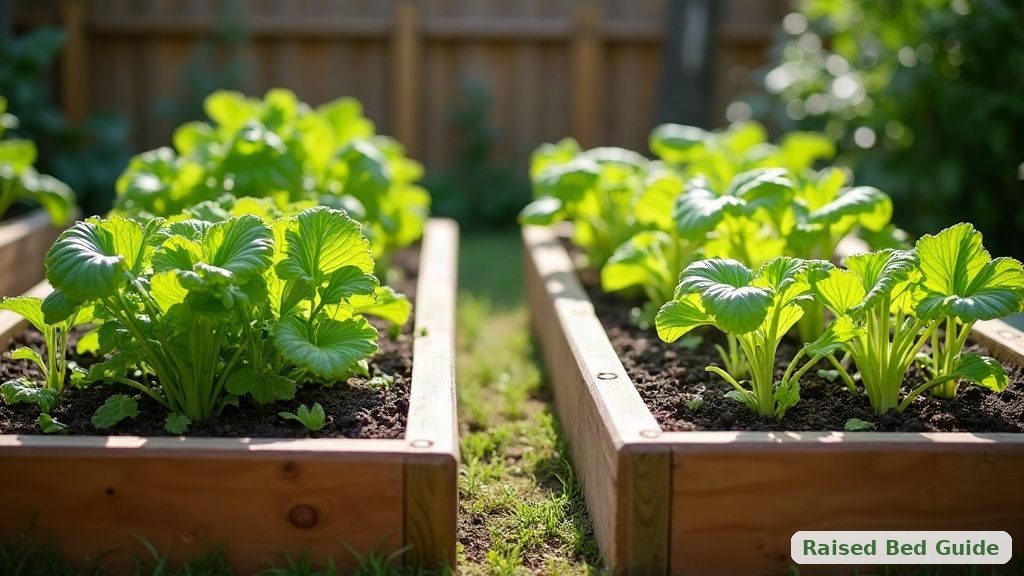
Put tall plants on the north side (so they don’t shade shorter ones), trailing plants at the edges to spill over, and quick crops (lettuce, radish) tucked between slow ones. A deeper bed (like the 17” Vego) supports the dense roots intensive planting creates — see how tall a bed should be.
What can I plant together in a raised bed?
Proven combos: tomatoes + basil + marigold, carrots + onions, lettuce under taller plants, and the beans-corn-squash trio in bigger beds. Tuck herbs throughout for pollinators and pest control. Group by similar water/light needs and mind mature size so nothing gets buried.
What should not be planted together?
Keep onions/garlic away from beans and peas (alliums stunt legumes), give fennel its own spot (it inhibits neighbors), and don’t cluster multiple heavy feeders that compete for nutrients. Spacing and not overcrowding matter as much as the specific pairings.
Does companion planting really reduce pests?
It can help — strong-scented herbs and flowers (marigold, basil, alliums) mask or deter some pests and attract beneficial insects, reducing problems naturally. It’s not a force field, but combined with healthy soil and spacing it meaningfully cuts pest pressure without chemicals.
How do I space companion plants in a raised bed?
Plant by mature size, tall on the north side, quick crops between slow ones, and don’t crowd — good airflow prevents disease. Raised beds let you plant intensively, but leave enough room for each plant’s full spread. Consistent watering helps dense plantings thrive — see our watering guide.
📚 Related In-Depth Analysis
- Compare findings with our guide on Best Soil Mix For Raised Garden Beds.
- Compare findings with our guide on Raised Bed Vs In Ground Gardening.
📚 Related In-Depth Analysis
- Compare findings with our guide on Raised Bed Watering System.
- Compare findings with our guide on Best Vegetables Raised Bed Beginners.
🔧 Interactive Planning Tool
Need exact measurements for your setup? Use our Raised Bed Soil Volume & Mel’s Mix Estimator to Calculate cubic yards of soil and component ratios for your garden beds.
Plant together, grow better
Pair plants that help each other — tomatoes with basil and marigold, carrots with onions, lettuce under taller crops — keep alliums away from legumes and fennel to itself, and lay out by mature size with tall plants to the north. Smart companions turn a raised bed into a denser, healthier, lower-pest garden. Start with the right soil mix underneath it all.