Metal vs Wood vs Fabric Raised Garden Beds: Which Material Actually Lasts?
As an Amazon Associate I earn from qualifying purchases. Prices and availability are accurate as of the date/time indicated and are subject to change.
The short answer
If you only want one recommendation: Vego Garden Metal Raised Bed Kit (17" tall). For most gardeners it's the longevity-per-dollar winner: galvanized steel that won't rot like wood or degrade like fabric, in a tall bed that saves your back — the material you're least likely to have to replace.
Check price on Amazon →🔍 How this guide was put together (Editorial Standards)
This guide compares options using published manufacturer specifications, patterns in publicly visible owner reviews, and reputable expert sources. We do not operate a physical testing lab; see our how-we-research page for details.
EDITOR'S PICKS
Top Picks


Before you compare brands, compare materials — because the material decides almost everything that matters about a raised bed: how many seasons it survives, what it costs up front, how hot your soil gets, and whether you can move it. Wood, galvanized metal, and fabric grow bags each win on different axes, and picking the wrong one for your climate and budget is the most expensive raised-bed mistake there is. Here’s the honest breakdown.
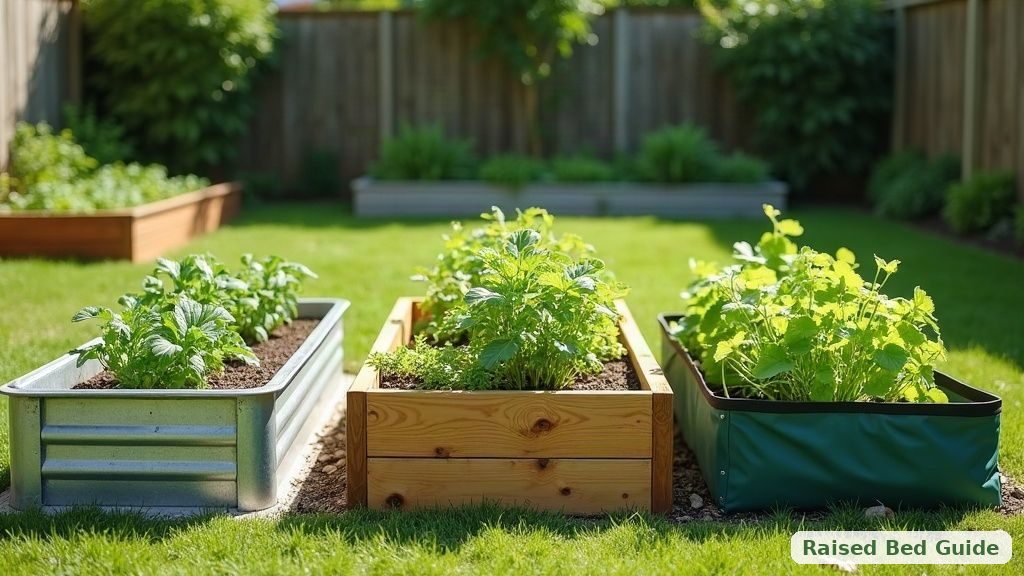
The three materials, head to head
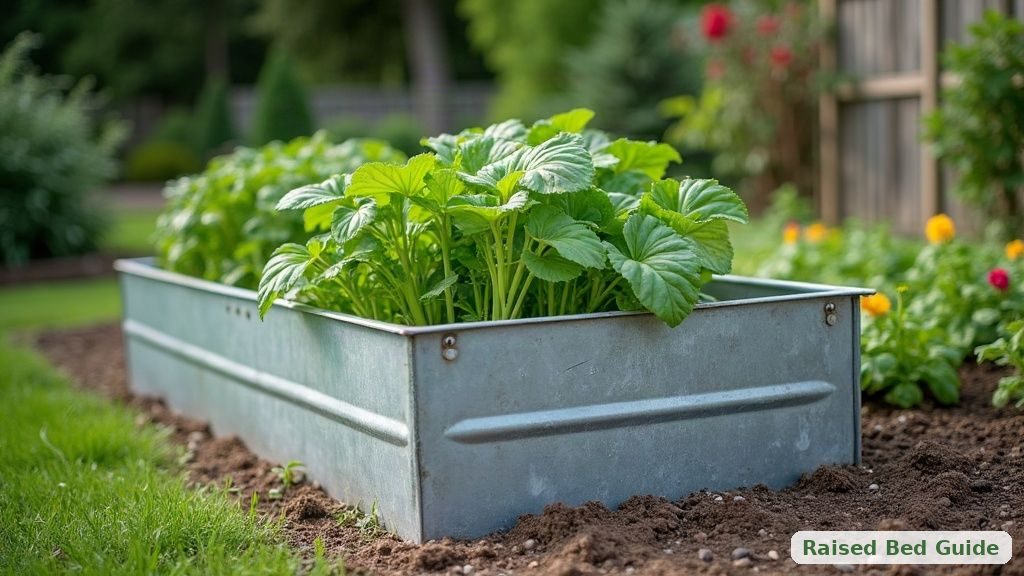
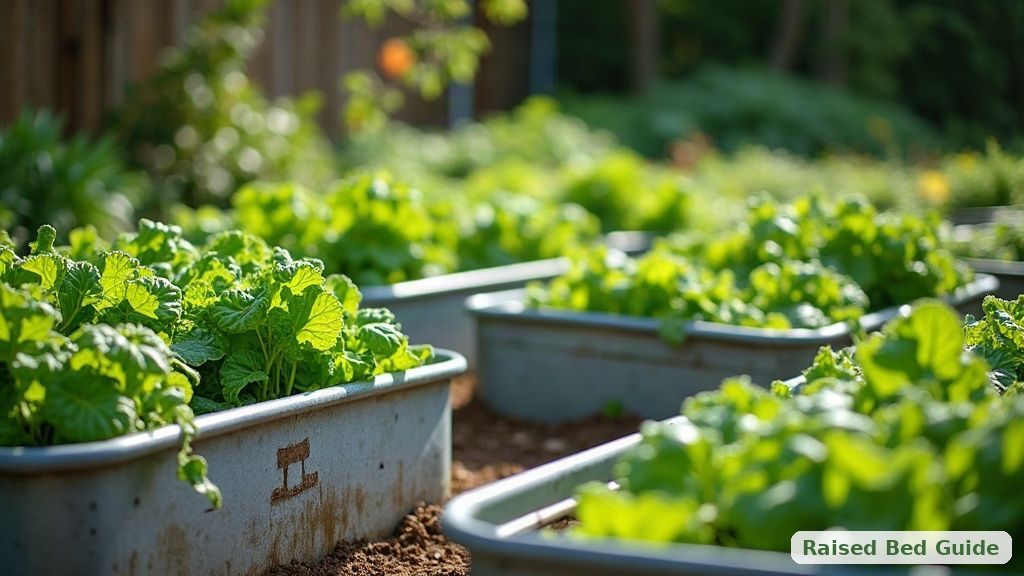
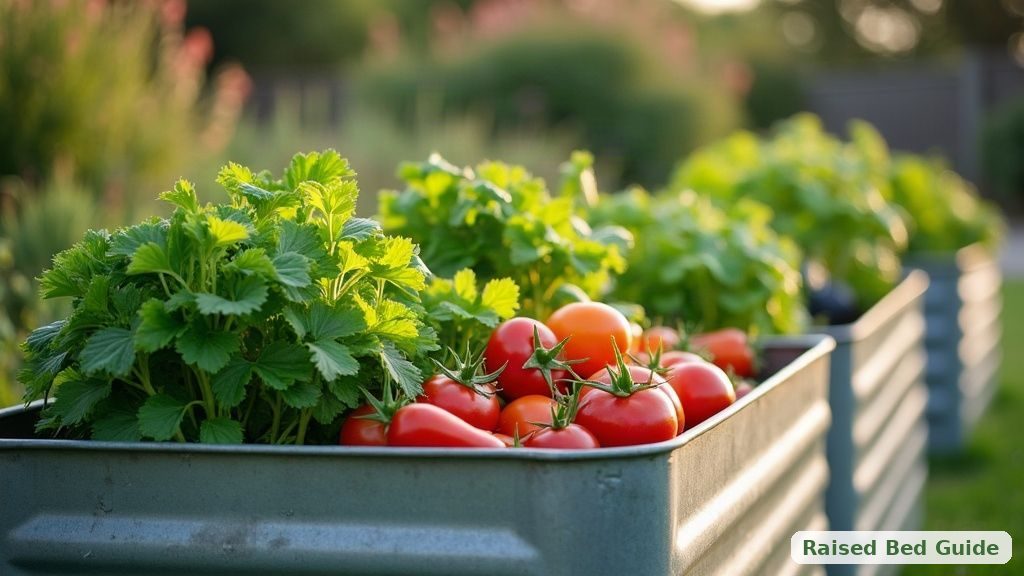
- Galvanized metal — longest-lasting (often 15–20+ years) and doesn’t rot, warp, or need sealing. Downsides: higher up-front cost and the soil edges can warm faster in blazing sun (a plus in cool climates, something to mulch for in hot ones).
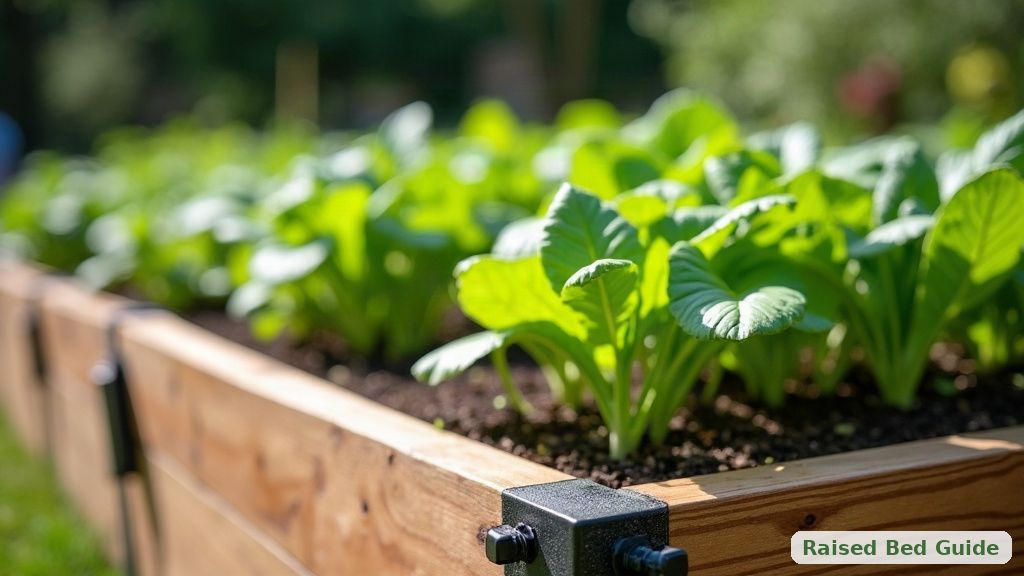
- Wood (cedar/redwood) — the classic natural look, moderate cost, easy to build custom sizes. But it will eventually rot: untreated pine lasts a few years, cedar/redwood longer, and you should never use old pressure-treated lumber near food crops.
- Fabric grow bags — cheapest and most portable, with excellent drainage and air-pruning of roots. But they’re the shortest-lived (a few seasons), dry out faster, and look less permanent.
There’s no universal “best” — there’s best for your climate, budget, and how permanent you want it.
How we picked
This is a research-based comparison built on material properties, manufacturer specifications, and the recurring themes across large samples of recurring owner reviews and gardening communities. We don’t fabricate a multi-year field test or invent ratings; where a claim rests on material science or owner consensus rather than personally using the product ourselves, we say so. Prices and availability live on the current Amazon listing, which we link.
What is the best material for a raised garden bed?
For most people, galvanized metal — it lasts the longest with the least maintenance, which makes it the best cost-per-year even though it costs more up front. Choose cedar/wood if the natural look matters more than lifespan, or you want a custom size. Choose fabric grow bags if budget or portability is the priority and you’re fine replacing them every few seasons. Our best metal raised garden beds guide ranks the specific metal kits.
What are the downsides of metal raised beds?
Two real ones: cost (more up front than a wood or fabric bed of the same size) and heat — galvanized steel can warm the soil at the edges in intense sun. In hot climates, mulch well and water consistently and it’s a non-issue; in cool climates the extra warmth actually extends your season. Quality galvanized steel is food-safe and won’t leach.
How long will each material last?
- Metal (galvanized): commonly 15–20+ years.
- Cedar/redwood: roughly 7–15 years; untreated pine far less.
- Fabric grow bags: about 3–5 seasons. That lifespan gap is why metal usually wins on cost-per-year despite the higher sticker.
Does the material change how I fill or water the bed?
Somewhat. Fabric drains fastest so it needs more frequent watering; metal and wood hold moisture longer. Taller beds (like the 17” metal kits) need more fill — plan your soil budget with our raised bed soil mix basics so you don’t underestimate volume.
📚 Related In-Depth Analysis
- Compare findings with our guide on How To Water A Raised Garden Bed.
- Compare findings with our guide on Best Metal Raised Garden Beds.
📚 Related In-Depth Analysis
- Compare findings with our guide on Raised Bed Vs In Ground Gardening.
- Compare findings with our guide on Raised Bed Garden Layout Spacing.
🔧 Interactive Planning Tool
Need exact measurements for your setup? Use our Raised Bed Soil Volume & Mel’s Mix Estimator to Calculate cubic yards of soil and component ratios for your garden beds.
The one-line verdict
Want it to outlast everything with the least fuss: galvanized metal (Vego or budget SnugNiture). Want the natural cedar look and don’t mind eventual rot: wood. Want cheap, movable, and temporary: fabric grow bags. Match the material to your climate and how permanent you want the garden — then check the live listing for current sizes and prices.