Raised Bed Soil Mix Basics: What Actually Fills a Bed (2026)
As an Amazon Associate I earn from qualifying purchases. Prices and availability are accurate as of the date/time indicated and are subject to change.
🔍 How this guide was put together (Editorial Standards)
This guide compares options using published manufacturer specifications, patterns in publicly visible owner reviews, and reputable expert sources. We do not operate a physical testing lab; see our how-we-research page for details.
EDITOR'S PICKS
Top Picks
TOP PICK
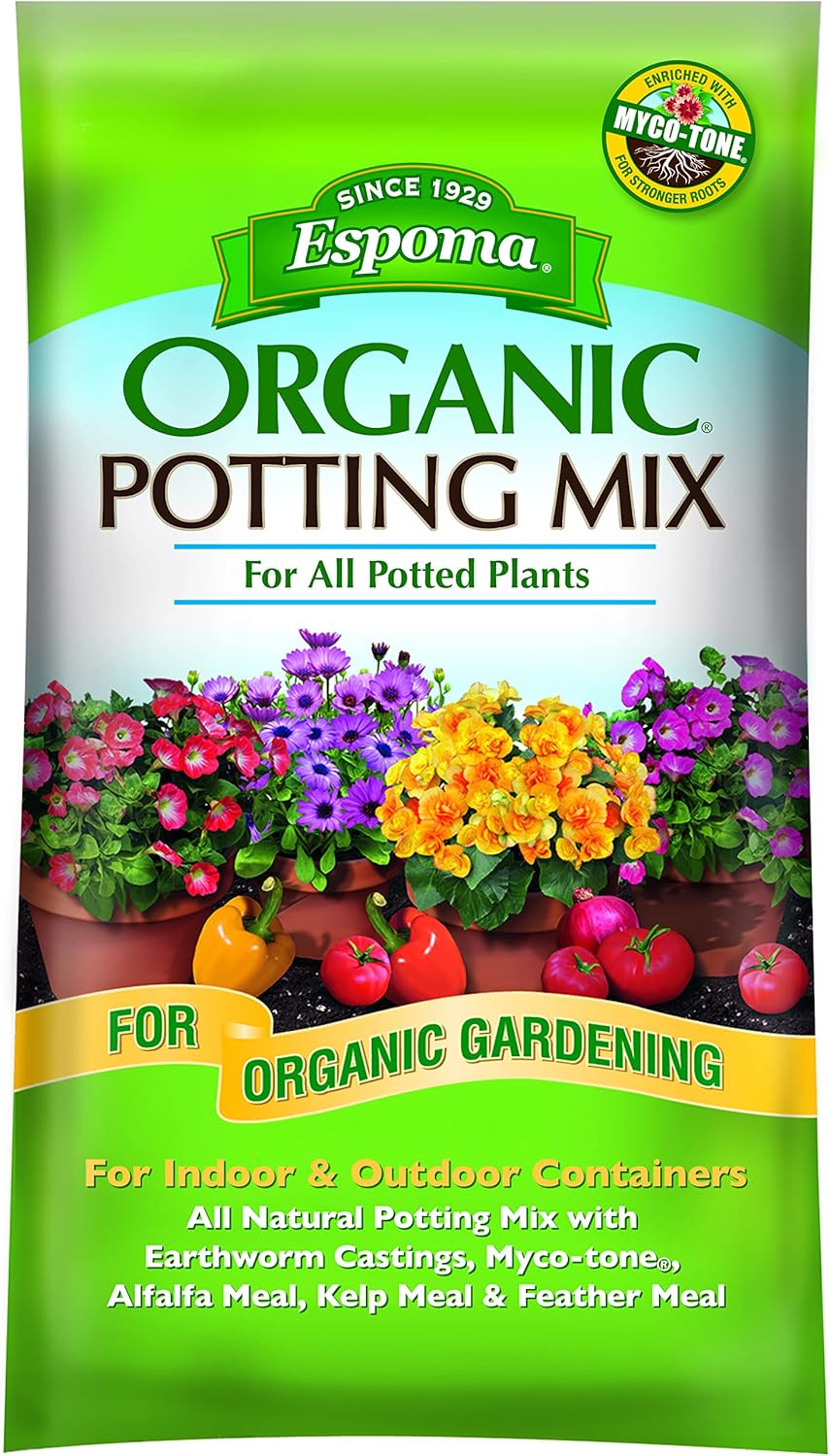
Espoma Organic Potting Soil Mix, 1 Cubic Foot
General-purpose organic potting mix — good baseline for supplementing bulk topsoil in a raised bed, not economical to fill a whole bed with alone.
RUNNER-UP

SunGro Black Gold Potting Mix, 8qt (with Earthworm Castings & Perlite)
Higher-end mix with earthworm castings and perlite listed — worth the premium for the TOP few inches where seeds germinate and roots concentrate.
BEST VALUE

Jiffy Natural & Organic Seed Starting Soil Mix, 16 QT
Seed-starting mix (finer texture than potting mix) — relevant if you're direct-seeding into the raised bed rather than transplanting.
📑 Table of contents
Filling a raised bed with bagged “potting soil” from the garden center is the single most expensive mistake first-time raised-bed gardeners make. A 4x8 bed 12 inches deep holds ~32 cubic feet of soil — at typical bagged potting soil pricing, that’s hundreds of dollars for material that isn’t optimized for raised-bed use anyway.
The layered fill approach (much cheaper than pure potting soil)
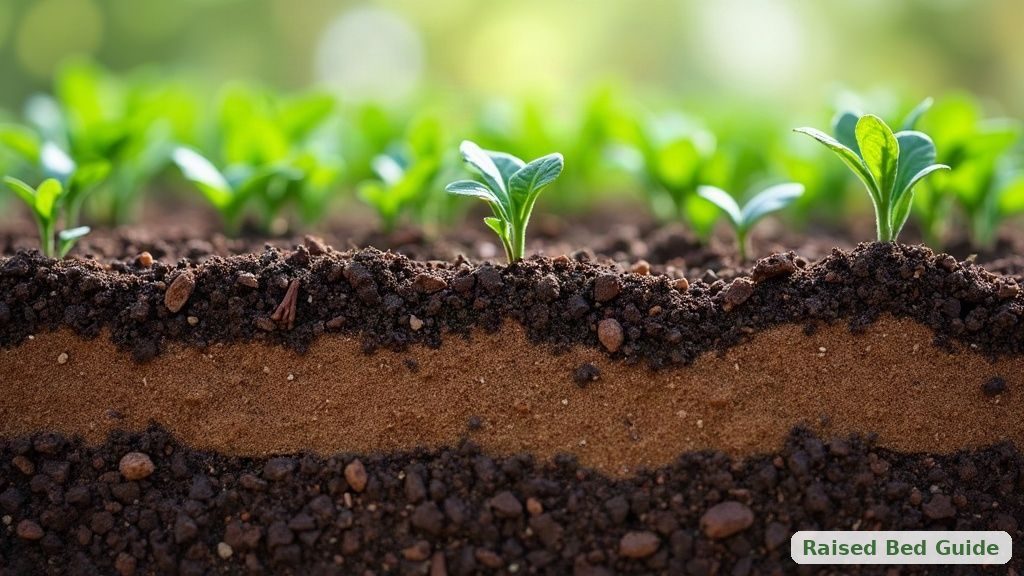
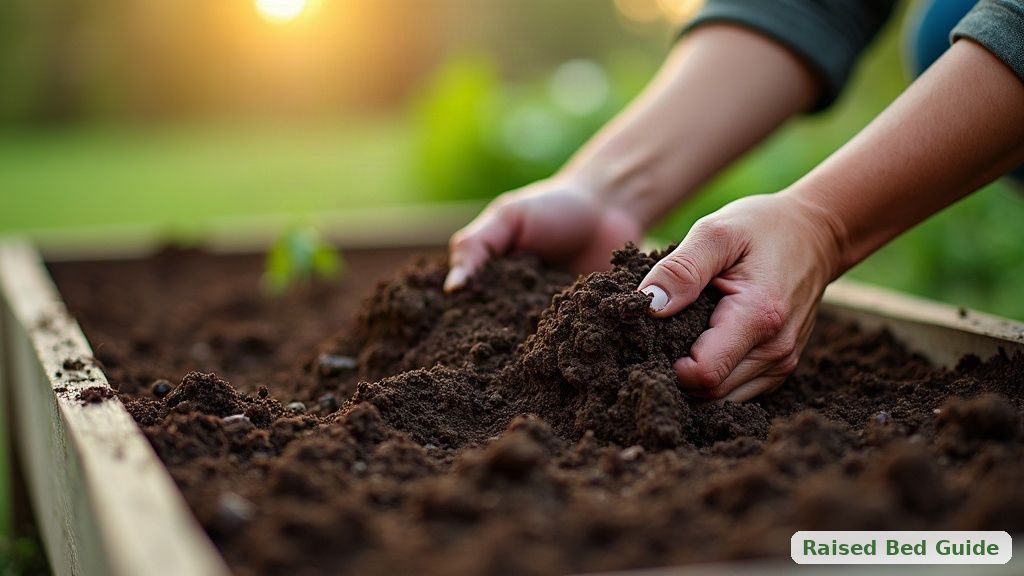
Most raised-bed guides recommend a layered approach: bulk topsoil or compost as the base (60-70% of volume, ordered by cubic yard, dramatically cheaper per cubic foot than bagged), a middle layer of composted manure or bulk compost, and quality potting mix only in the top 4-6 inches where seeds germinate and most root growth happens early in the season. This is why the three picks above are framed as SUPPLEMENTAL — they belong in the top layer where their quality shows, not scattered thinly through a full 12-inch depth where their cost doesn’t proportionally benefit the plants.
Why “potting mix” isn’t the same as “garden soil”
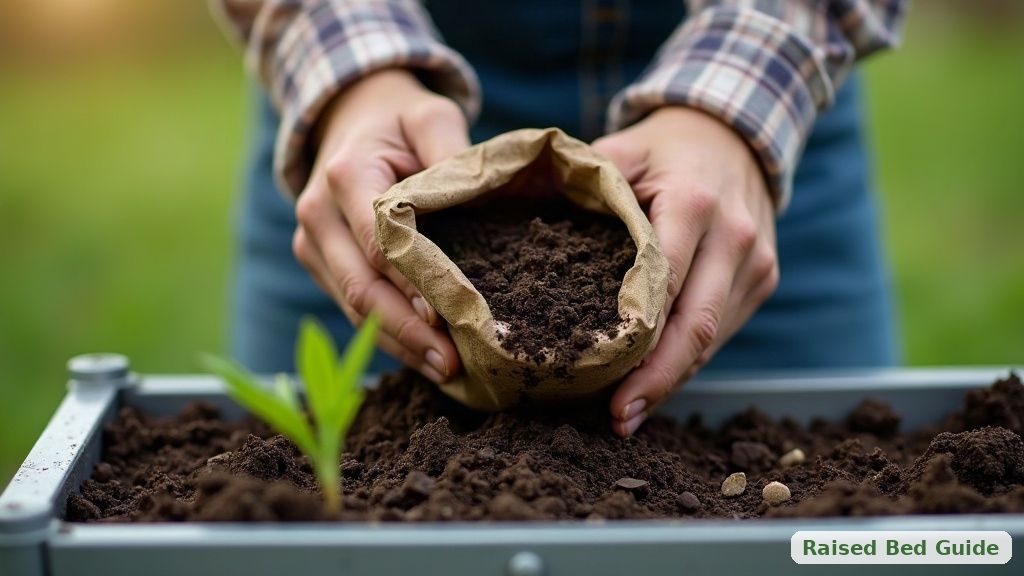
Bagged potting mix is designed for containers — it drains fast, holds air, doesn’t compact, and doesn’t contain real soil (usually peat, coir, perlite, and organic matter, no mineral soil). Bagged “garden soil” is heavier, includes mineral soil, and doesn’t drain as well as pure potting mix. In a raised bed, you want a MIX of both properties: enough mineral content to hold nutrients and moisture consistently, enough organic matter to stay light and drain well. Neither pure potting mix nor pure garden soil is ideal alone.
Seed-starting mix vs. potting mix — different products, different use
Seed-starting mix (like the Jiffy pick) has finer texture and typically fewer nutrients than potting mix — designed to let tiny seeds germinate without being smothered or over-fertilized. In a raised bed, this only matters if you’re direct-seeding tiny crops (lettuce, carrots, radishes); for transplants and larger seeds (beans, squash), regular potting mix or the bed’s normal soil is fine.
What “organic” actually means on soil bags
USDA-certified organic soil products (typically labeled with the USDA seal or “OMRI listed”) meet specific standards for what can and can’t be in the mix (no synthetic fertilizers, no sewage sludge, restricted pesticide inputs). “Natural” or “all-natural” without certification is a marketing term without regulatory backing. All three picks above list “organic” — check the packaging or product page for USDA/OMRI certification specifically if organic gardening is a hard requirement, not just a preference.
Comparison
| Product | Type | Use case |
|---|---|---|
| Espoma Organic Potting Mix | General potting | Top layer, versatile supplement |
| SunGro Black Gold | Premium potting | Top 2-4 inches, seed/root zone |
| Jiffy Seed Starting Mix | Fine-texture starter | Direct-seed small crops |
📚 Related In-Depth Analysis
- Compare findings with our guide on Raised Bed Garden Layout Spacing.
- Compare findings with our guide on Best Vegetables Raised Bed Beginners.
📚 Related In-Depth Analysis
- Compare findings with our guide on Best Metal Raised Garden Beds.
- Compare findings with our guide on Raised Bed Watering System.
🔧 Interactive Planning Tool
Need exact measurements for your setup? Use our Raised Bed Soil Volume & Mel’s Mix Estimator to Calculate cubic yards of soil and component ratios for your garden beds.
Related guides
- Best metal raised garden beds
- Metal vs wood raised beds compared
Related: How to water a raised bed