Raised Bed vs In-Ground Gardening: Which Is Right for Your Yard?
As an Amazon Associate I earn from qualifying purchases. Prices and availability are accurate as of the date/time indicated and are subject to change.
The short answer
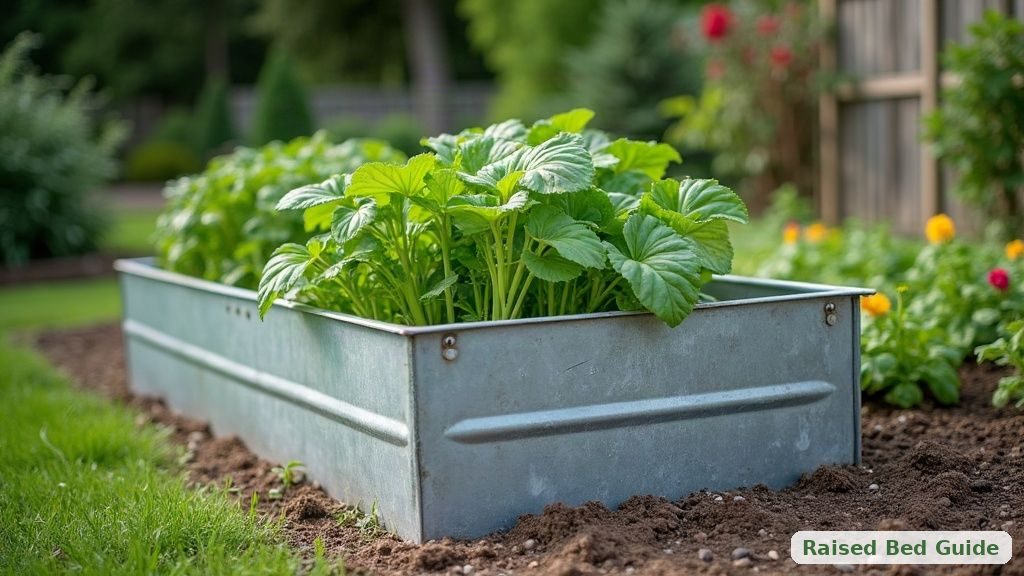
If you only want one recommendation: Vego Garden Metal Raised Bed Kit. If your native soil is poor, compacted, or contaminated, or bending hurts, a raised bed is the clear win — you control the soil completely and garden at a comfortable height, and a galvanized metal kit lasts far longer than wood.
Check price on Amazon →🔍 How this guide was put together (Editorial Standards)
This guide compares options using published manufacturer specifications, patterns in publicly visible owner reviews, and reputable expert sources. We do not operate a physical testing lab; see our how-we-research page for details.
EDITOR'S PICKS
Top Picks


“Should I build raised beds or just plant in the ground?” is the first real decision of a new vegetable garden — and the honest answer is that neither is universally better. Raised beds solve specific problems (bad soil, drainage, back strain) in exchange for real costs (money to build and fill, faster drying out). In-ground gardening is cheaper and holds moisture but only works if your native soil is decent. Match the method to your yard and body, not to what looks nicest on Instagram.
What each method is actually good at
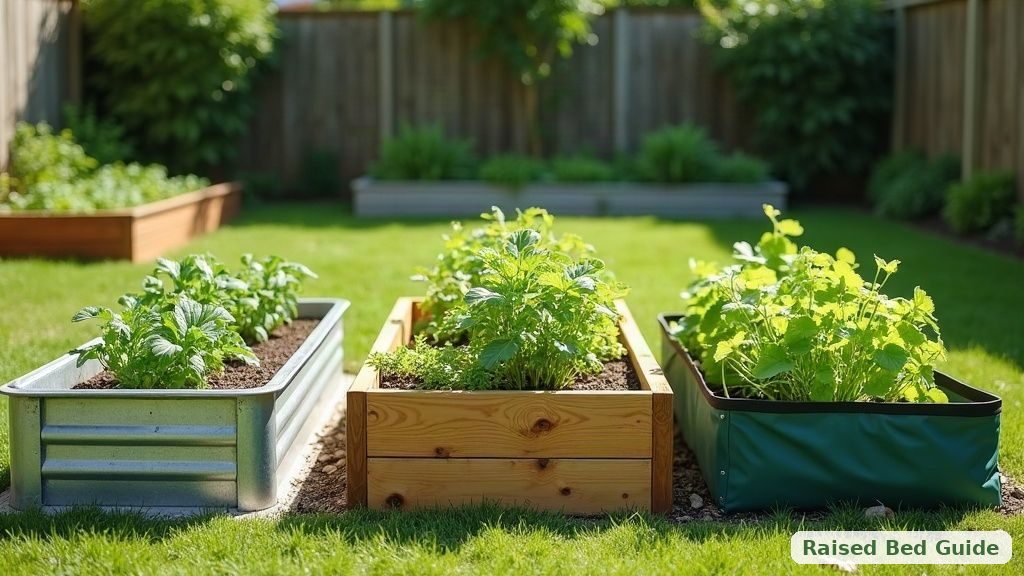
- Raised beds win on: total soil control (you fill them, so bad or contaminated native soil doesn’t matter), drainage and earlier spring warming, fewer weeds, and accessibility (garden without bending). Downsides: cost to build and fill, and they dry out faster so they need more watering.
- In-ground wins on: cost (free — you plant in what you have), water retention (ground soil holds moisture longer), and scale (easy to expand). Downsides: you’re stuck with your native soil and its drainage, weeds, and compaction, and you’re bending to ground level.
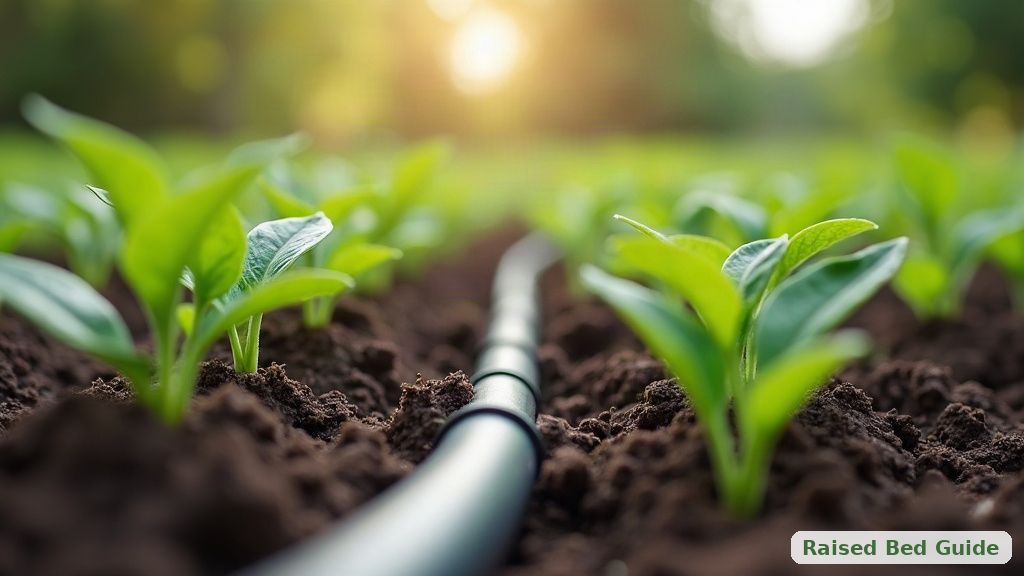
How to choose for your situation
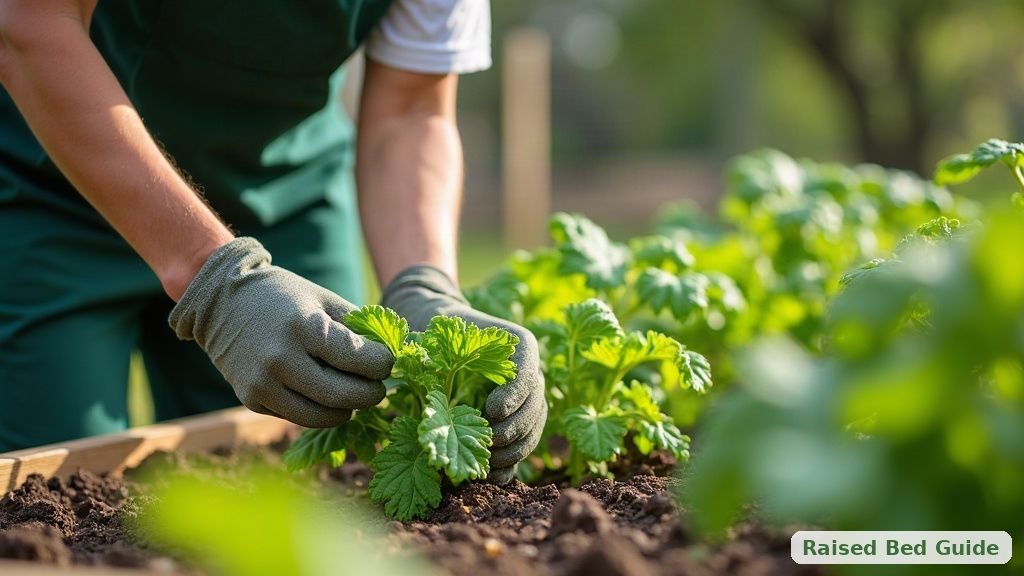
- Poor, rocky, clay, or contaminated soil: raised beds, no contest — you sidestep the native soil entirely. A metal kit like the Vego or budget SnugNiture gets you growing in good soil immediately.
- Good native soil and a tight budget: in-ground is the sensible, cheap choice; amend with compost and grow.
- Back or mobility issues: raised beds (taller ones) let you garden standing — often the deciding factor regardless of soil.
- Wet, poorly-draining site: raised beds drain better and warm earlier in spring.
Is a raised bed better than in-ground?
Better if your native soil is poor/compacted/contaminated, your site drains badly, or bending is a problem — then the soil control and height are worth the cost. If your ground soil is already good and budget matters, in-ground is perfectly good and cheaper. It’s a fit question, not a ranking. Our metal vs wood vs fabric guide helps if you go raised.
Do raised beds need more water than in-ground?
Yes — raised beds drain faster and their sides are exposed to air, so they dry out quicker and need more frequent watering, especially in heat. Plan for that (mulch helps a lot). In-ground soil holds moisture longer, which is one of its genuine advantages.
Are raised beds worth the cost?
Worth it when they solve a real problem you have (bad soil, drainage, back strain). If you’re buying them mainly for looks over good native soil, the money may be better spent on compost and in-ground beds. Weigh the bed height and soil volume costs before deciding.
📚 Related In-Depth Analysis
- Compare findings with our guide on Raised Bed Companion Planting.
- Compare findings with our guide on How To Keep Animals Out Of Raised Garden Bed.
📚 Related In-Depth Analysis
- Compare findings with our guide on Raised Bed Watering System.
- Compare findings with our guide on Raised Bed Garden Layout Spacing.
🔧 Interactive Planning Tool
Need exact measurements for your setup? Use our Raised Bed Soil Volume & Mel’s Mix Estimator to Calculate cubic yards of soil and component ratios for your garden beds.
The quick verdict
Bad soil, bad drainage, or a bad back: raised beds (metal for longevity). Good native soil and a tight budget: in-ground is cheaper and holds water better. Build the method your yard and body actually need — and if you go raised, check the live listing for kit size and height.