Raised Bed Garden Layout: Spacing Plans That Maximize Yield (2026)
As an Amazon Associate I earn from qualifying purchases. Prices and availability are accurate as of the date/time indicated and are subject to change.
🔍 How this guide was put together (Editorial Standards)
This guide compares options using published manufacturer specifications, patterns in publicly visible owner reviews, and reputable expert sources. We do not operate a physical testing lab; see our how-we-research page for details.
EDITOR'S PICKS
Top Picks

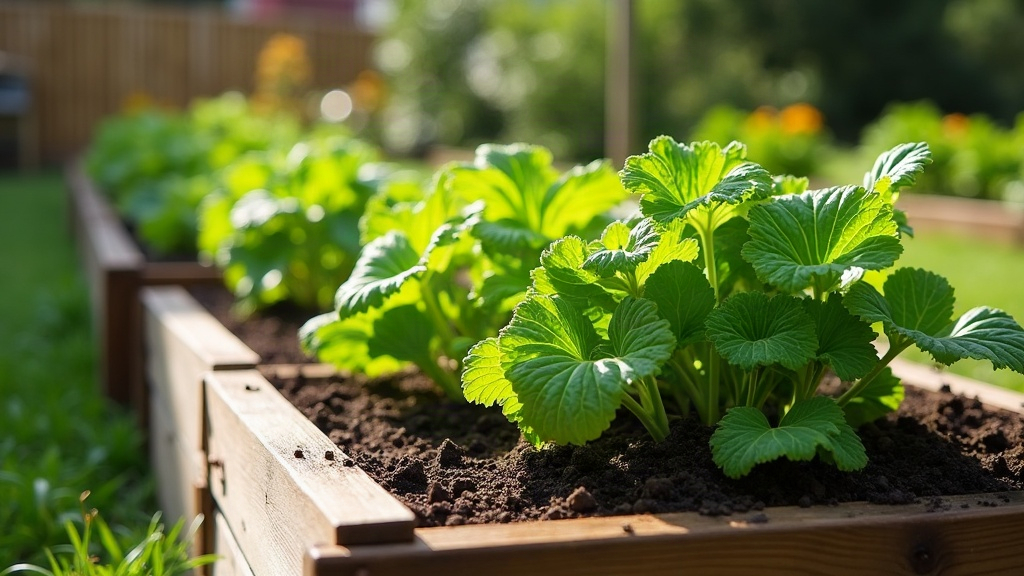
Two gardeners can fill the same 4×8 bed and harvest wildly different amounts. The difference usually isn’t soil or watering — it’s layout. Raised beds reward intensive planting because you never walk on the soil, so it stays loose and you can plant far closer than row-garden spacing charts suggest. Get the arrangement right and one bed feeds a family; get it wrong and half the space grows nothing but gaps.
Why raised beds let you plant closer
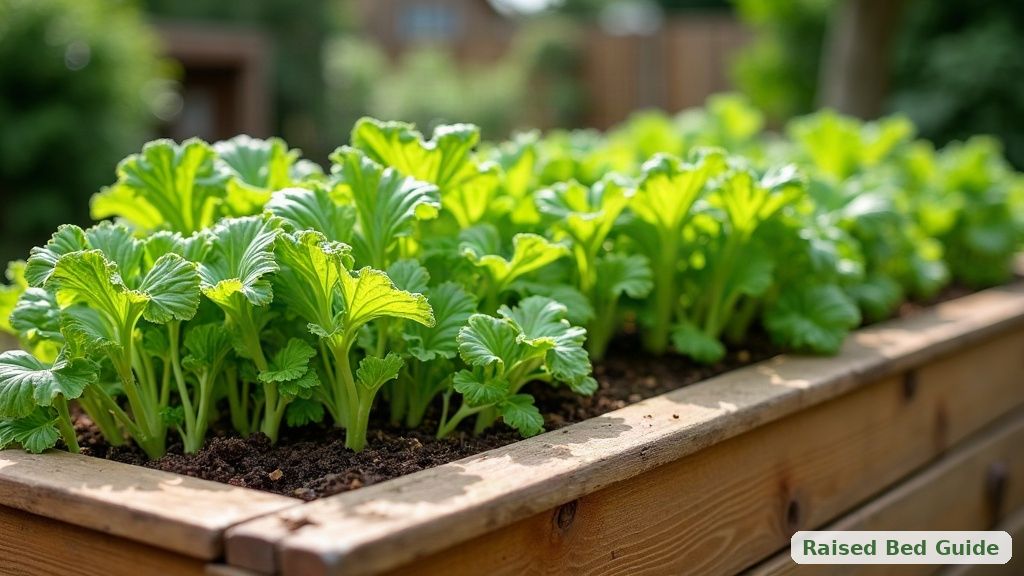
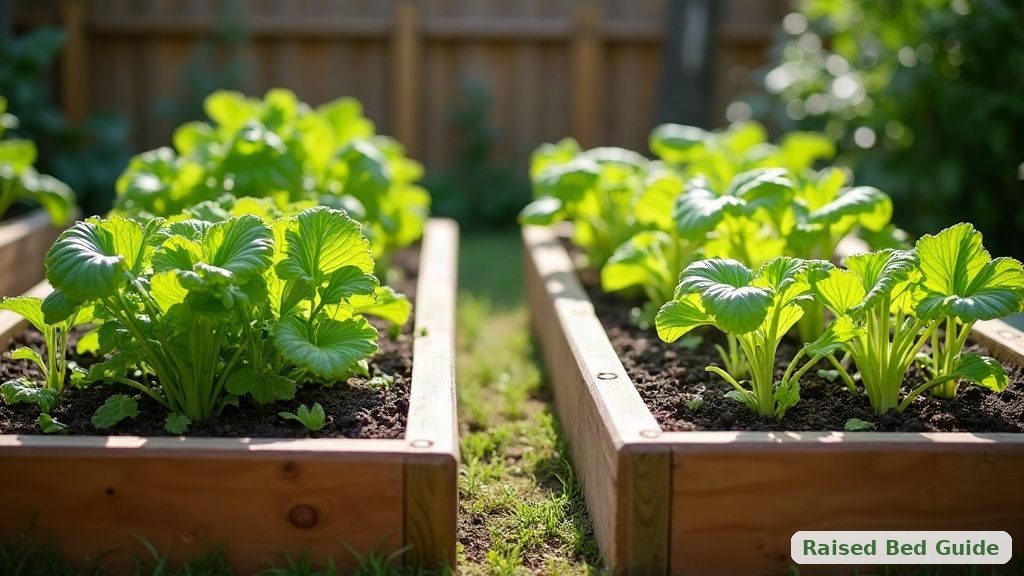
Traditional row spacing exists so a person (or a tractor) can walk between rows in the field. A raised bed removes that constraint: you reach in from the sides, never compacting the soil, so plants only need enough room for their own roots and leaves, not for aisles. That’s why raised-bed spacing is measured plant-to-plant in a grid, not row-to-row. The result is typically 2–3× the plants in the same square footage.
The square-foot grid
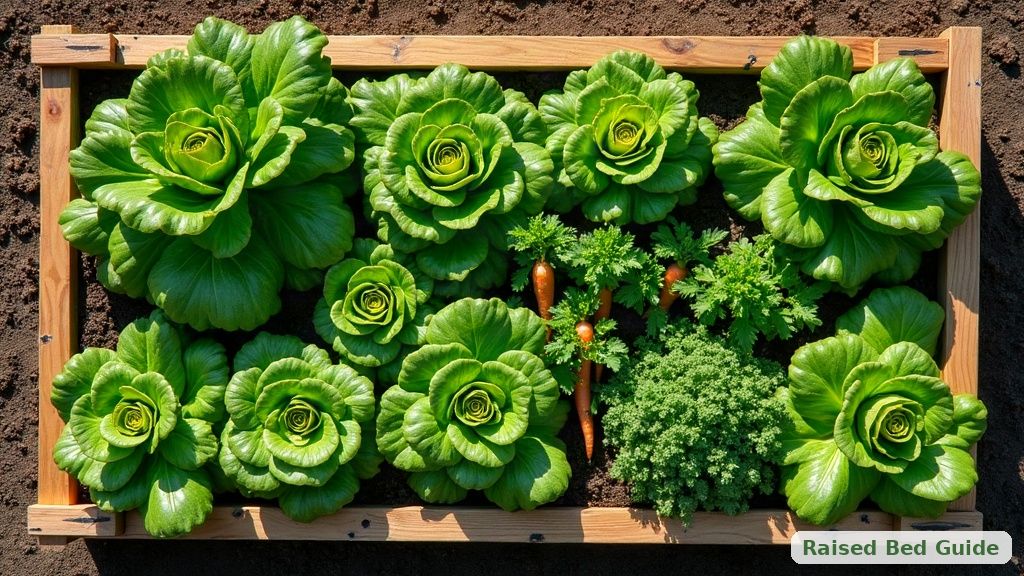
The simplest high-yield system divides the bed into 1-foot squares and assigns each square a plant count based on size:
| Plant | Per square foot | Spacing logic |
|---|---|---|
| Carrots, radishes, onions | 16 | Small roots, grow shoulder-to-shoulder |
| Lettuce, spinach, beets | 9 | Compact leaf spread |
| Bush beans | 9 | Upright, narrow footprint |
| Leaf lettuce, chard | 4 | Wider rosettes |
| Broccoli, peppers, large lettuce | 1 | Big leaf canopy |
| Tomatoes (caged/staked) | 1 per 1–2 sq ft | Needs vertical support |
This grid keeps you from the two classic mistakes: overcrowding big plants (which then compete and underperform) and wasting space around small ones.
How do you keep tall plants from shading the rest?
Orient the bed and place plants by height and sun path. In the Northern Hemisphere the sun tracks the southern sky, so put the tallest plants (tomatoes, trellised beans, corn) on the north side of the bed and step down to the shortest on the south side. That way nothing casts a shadow over its neighbors through the day. A bed that ignores this loses its shaded plants to legginess and poor yield no matter how good the soil is — and soil is worth getting right too; see our soil mix basics.
Grow up, not just across
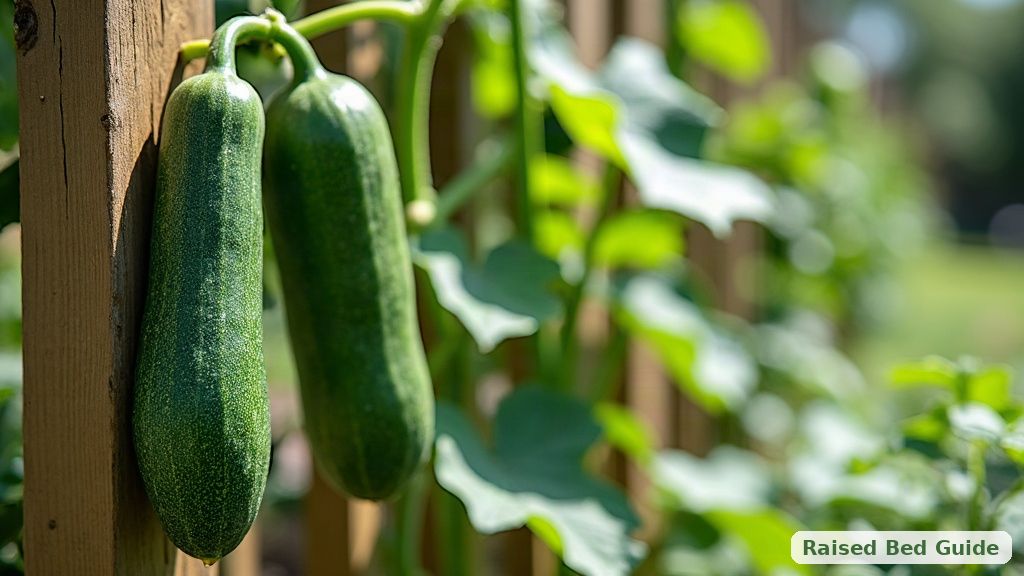
The biggest yield multiplier in a small bed is vertical space. Trellised cucumbers, pole beans, peas, and indeterminate tomatoes take a 1-square footprint but produce along their whole height. A single trellis on the north edge can add as much harvest as several square feet of ground crops. Vining squash and melons can also be trellised with slings for the fruit. This pairs with choosing the right depth — deep-rooted climbers need it; our bed height guide covers matching depth to crop.
Layout for succession and companions
A good layout also plans for time, not just space. Fast crops (radishes, lettuce) fill the gaps between slow ones (tomatoes, peppers) and get harvested before the big plants need the room — free yield from the same squares. And group plants that help each other while separating those that don’t; our companion planting guide maps the good and bad neighbors. If you’re a first-timer, start with forgiving crops from our best vegetables for beginners list and a simple grid.
📚 Related In-Depth Analysis
- Compare findings with our guide on How To Keep Animals Out Of Raised Garden Bed.
- Compare findings with our guide on Raised Bed Vs In Ground Gardening.
📚 Related In-Depth Analysis
- Compare findings with our guide on Best Vegetables Raised Bed Beginners.
- Compare findings with our guide on Metal Vs Wood Vs Fabric Raised Beds.
🔧 Interactive Planning Tool
Need exact measurements for your setup? Use our Raised Bed Soil Volume & Mel’s Mix Estimator to Calculate cubic yards of soil and component ratios for your garden beds.
The bottom line
Yield comes from arrangement, not just planting more: use a square-foot grid to place the right number of each crop, put tall plants on the north side so nothing gets shaded, trellis anything that climbs to harvest vertically, and slot fast crops into the gaps. The same bed can double its output on layout alone. Sketch the grid before you plant — it’s the cheapest upgrade your garden will get.