How to Keep Animals Out of a Raised Garden Bed (2026)
As an Amazon Associate I earn from qualifying purchases. Prices and availability are accurate as of the date/time indicated and are subject to change.
🔍 How this guide was put together (Editorial Standards)
This guide compares options using published manufacturer specifications, patterns in publicly visible owner reviews, and reputable expert sources. We do not operate a physical testing lab; see our how-we-research page for details.
EDITOR'S PICKS
Top Picks
TOP PICK

RUNNER-UP


📑 Table of contents
There’s no single “animal-proof” trick for a raised bed, because deer, rabbits, squirrels, and voles each defeat a completely different defense. A fence that stops a rabbit is a runway for a squirrel; a net that foils birds does nothing against a vole tunneling up from below. Protecting a raised bed means matching the barrier to the specific animal eating your plants — so start by identifying the culprit, then build the right layer.
Match the barrier to the pest
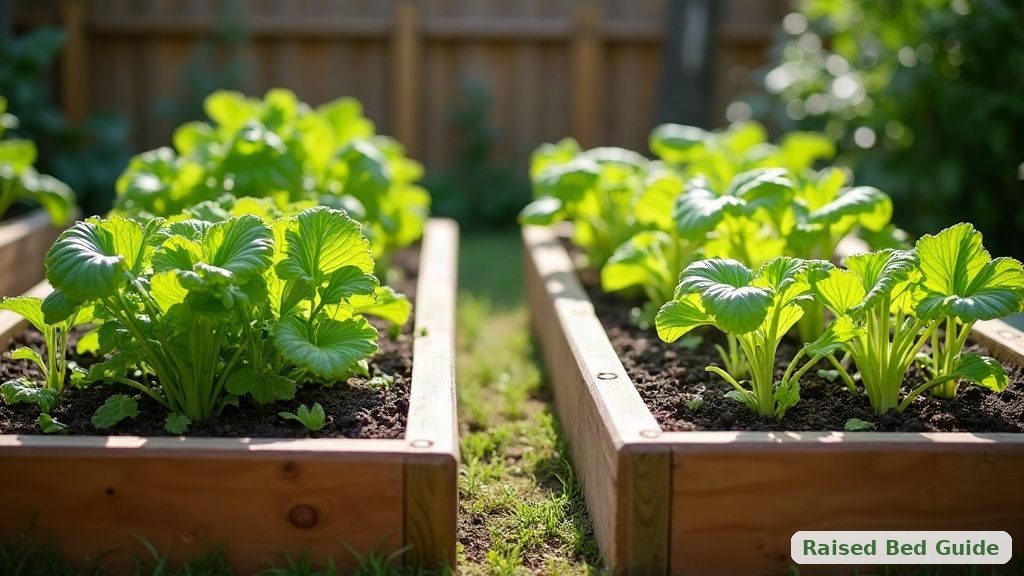
Rabbits — the most common raised-bed raider. They can’t climb but they can squeeze through gaps and jump low barriers. A bed wall 17+ inches tall stops most rabbits on its own, which is why a taller metal bed is the first line of defense. Add 2-foot chicken wire (1-inch mesh) if they still get in.
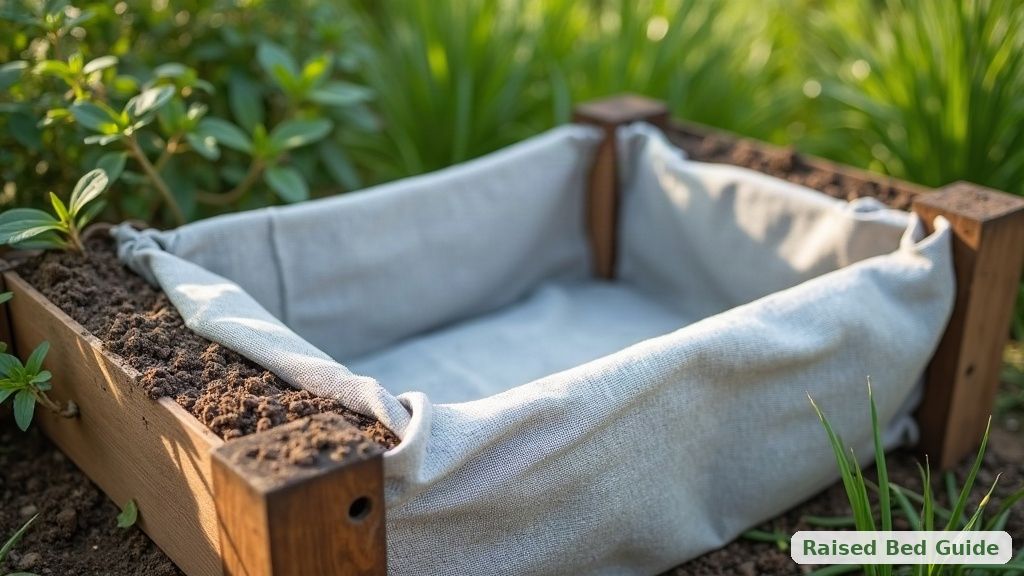
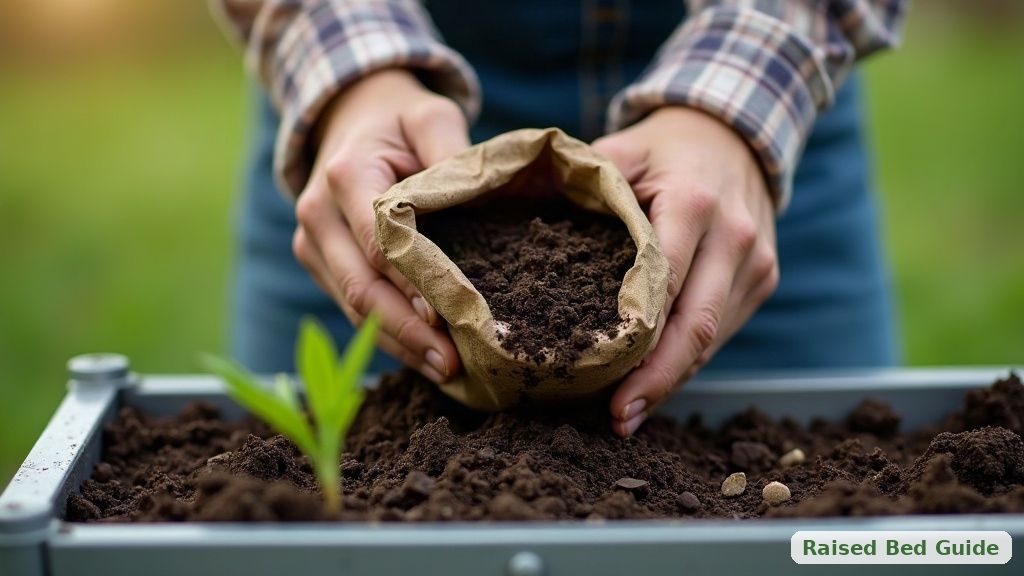
Voles and gophers — attack from below, invisibly, eating roots. The only reliable fix is ¼-inch hardware cloth stapled across the bottom of the bed before you fill it. Chicken wire’s 1-inch holes are too big; voles walk right through.
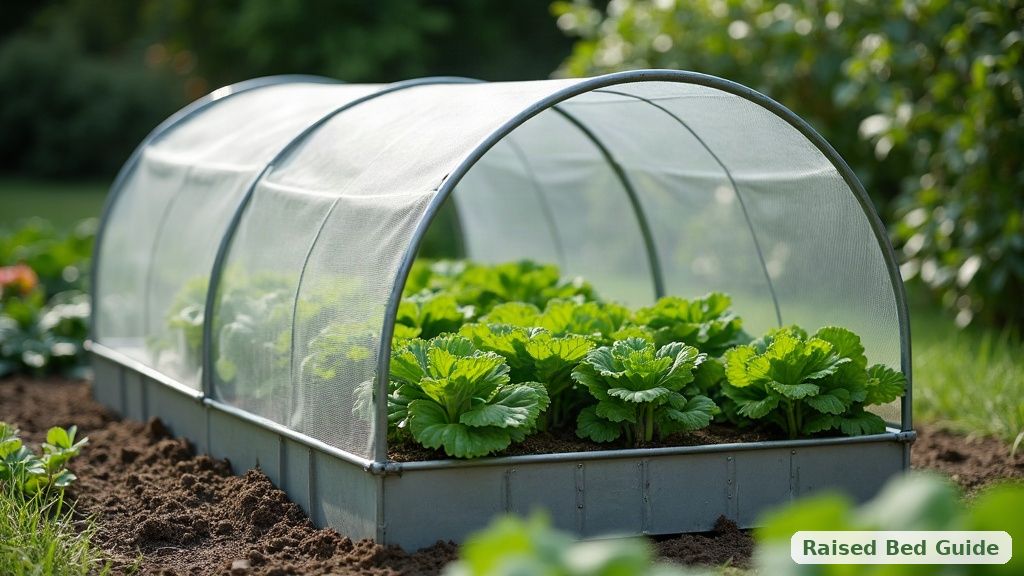
Squirrels and chipmunks — dig and climb, mainly after bulbs and seedlings. Cover the bed with a floating row cover or ½-inch mesh cage pinned down at the edges. A flat net laid on the soil doesn’t work — they burrow under; it has to be a pinned dome or frame.
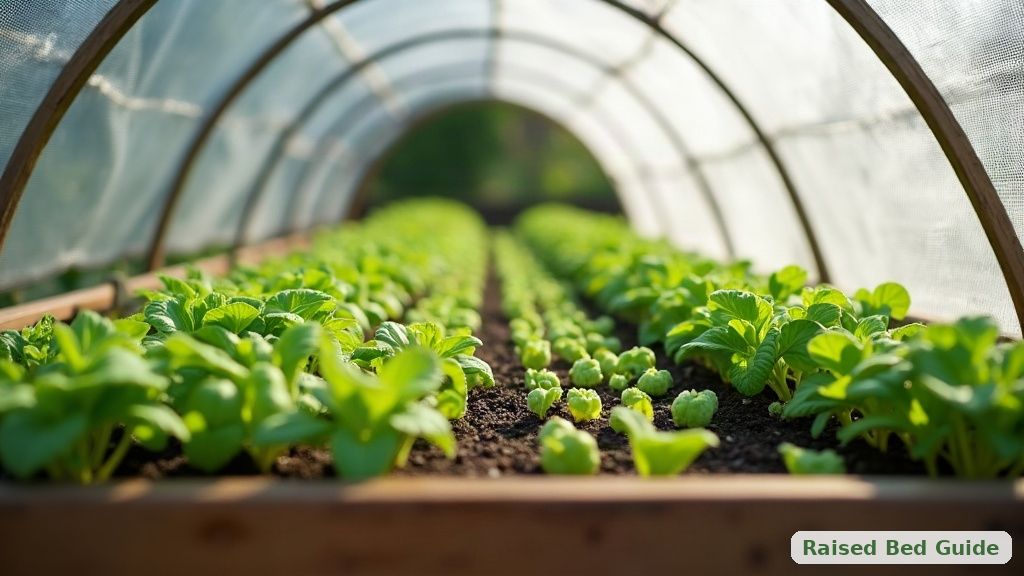
Deer — the hardest. They clear low fences easily. You need either an 8-foot barrier or, more realistically for a raised bed, a mesh cage/hoop tunnel over the bed so the plants are physically enclosed.
The height and mesh-size cheat sheet
Quick reference before you buy materials: rabbits — 24 in fence, 1 in mesh; voles — bottom liner, ¼ in hardware cloth; squirrels — pinned dome, ½ in mesh; birds — bird netting, ¾ in mesh; deer — 8 ft or full enclosure. Buying the wrong mesh size is the single most common and expensive mistake — ¼-inch hardware cloth costs more than chicken wire for a reason.
Does bed height alone keep animals out?
Partly. A 17-inch metal wall stops most rabbits and makes the bed harder for cats and small rodents to casually hop into — a real, passive advantage of a taller bed. But height does nothing against climbers (squirrels), flyers (birds), or tunnelers (voles). Height is your free first layer, not the whole solution.
What about repellents and companion planting?
Scent repellents (blood meal, predator urine) help at the margins but wash off and need reapplying after rain — treat them as a supplement, never the main barrier. Some gardeners ring beds with strong-smelling herbs; see our companion planting guide. Physical barriers remain the only thing that reliably works. And whatever you enclose, don’t compromise drainage — a sealed bottom still needs to drain.
📚 Related In-Depth Analysis
- Compare findings with our guide on Raised Bed Garden Layout Spacing.
- Compare findings with our guide on How To Water A Raised Garden Bed.
📚 Related In-Depth Analysis
- Compare findings with our guide on Best Metal Raised Garden Beds.
- Compare findings with our guide on Raised Bed Watering System.
🔧 Interactive Planning Tool
Need exact measurements for your setup? Use our Raised Bed Soil Volume & Mel’s Mix Estimator to Calculate cubic yards of soil and component ratios for your garden beds.
Bottom line
Identify the animal first, then build the matching layer: height for rabbits, bottom hardware cloth for voles, a pinned dome for squirrels and birds, a full cage for deer. A tall bed gives you a free head start, but the right mesh size in the right place is what actually keeps your vegetables yours.