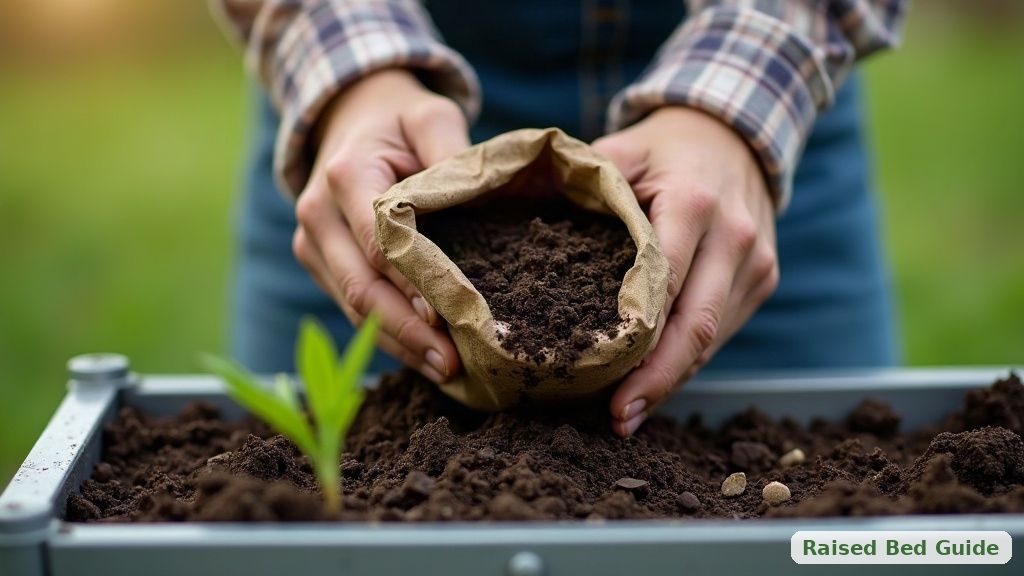
Raised Bed Drainage: How to Stop Waterlogging and Root Rot (2026)
As an Amazon Associate I earn from qualifying purchases. Prices and availability are accurate as of the date/time indicated and are subject to change.
🔍 How this guide was put together (Editorial Standards)
This guide compares options using published manufacturer specifications, patterns in publicly visible owner reviews, and reputable expert sources. We do not operate a physical testing lab; see our how-we-research page for details.
EDITOR'S PICKS
Top Picks


One of the main selling points of a raised bed is drainage — lift the soil above the ground and excess water flows away, keeping roots from drowning. So it’s frustrating when a bed stays soggy, plants yellow, and roots rot. Waterlogging in a raised bed is almost always a soil or setup problem, not bad luck, and most of it traces back to a few fixable causes (plus one popular “fix” that actually makes it worse).
Why a raised bed can still waterlog
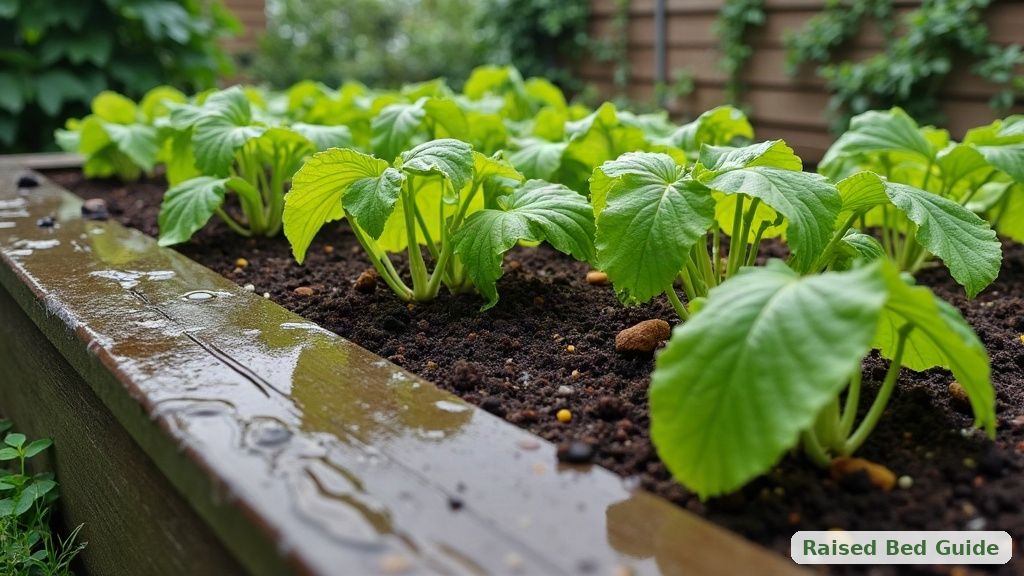
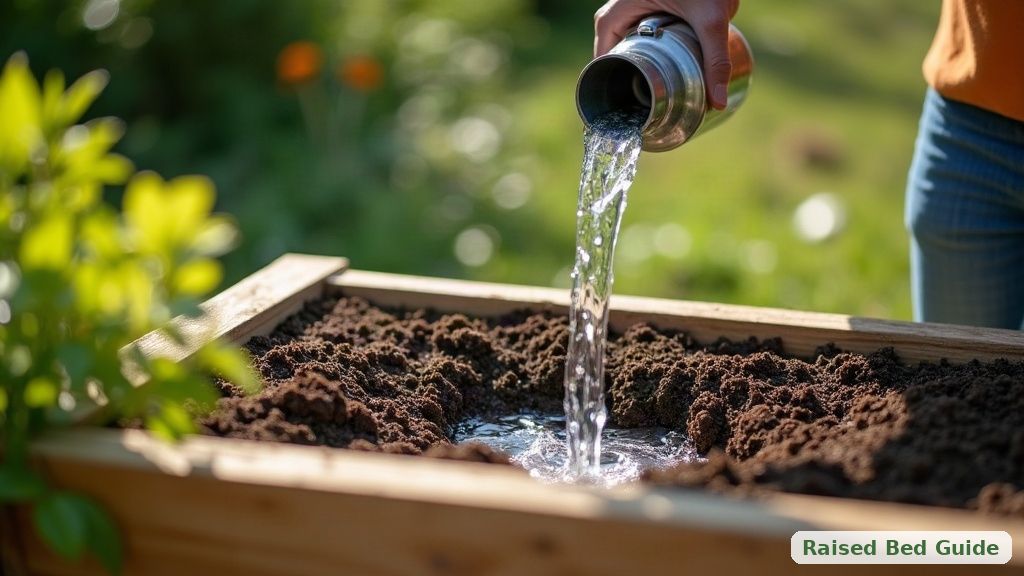
Drainage depends on the water having somewhere to go and a soil structure loose enough to let it move. Beds stay wet when one of these breaks down:
- Heavy, compacted, or too much native soil / clay in the mix — water can’t percolate.
- A blocked or sealed bottom (landscape fabric over hardpan, a solid base with no exits).
- The bed sits in a low spot where groundwater pools around and under it.
- The “gravel layer” myth (see below) creating a perched water table.
| Symptom | Likely cause | Fix |
|---|---|---|
| Soil stays soggy days after rain | Too much clay/compost, compacted mix | Amend with coarse material; loosen |
| Yellow leaves, stunted, wilting when wet | Root rot from waterlogging | Improve drainage; ease off watering |
| Water pools on the surface | Sealed/crusted top or blocked bottom | Break crust; ensure open bottom |
| Bottom of bed always wet | Low site / perched water table | Raise bed / relocate; add height |
Do I need a gravel layer at the bottom for drainage?
No — this is the most persistent raised-bed myth, and it backfires. A layer of gravel or rocks under the soil does not speed drainage; it creates a perched water table. Water does not move easily from a fine material (soil) into a coarse one (gravel) until the soil above is fully saturated — so the gravel makes the soil sit wetter at the root zone, not drier. Skip the gravel. Fill the bed with a good, uniform soil mix all the way down and let the open bottom do the draining.
What soil mix drains best?

A well-draining raised-bed mix balances water retention with air space: roughly topsoil + compost + a coarse aerating component (coarse sand, perlite, or a light potting mix). If your bed stays wet, you likely have too much dense compost or clay and not enough coarse material — amend it. Our soil mix basics and how much soil cover the ratios and volume math.
Does bed height affect drainage?
Yes — directly. A taller bed gives water more depth to move down through and lifts roots farther above soggy ground, which is why deeper beds forgive heavy or wet sites. If your yard drains poorly or sits low, go taller and make sure the bottom is open to the soil (or has drain gaps if it’s a closed container). Our bed height guide matches depth to crops and conditions.
Watering habits matter too
Even a well-built bed rots roots if you overwater. Water deeply but less often, let the top inch dry between waterings, and check soil moisture with a finger before adding more — most “drainage” complaints are partly a watering-schedule problem. Our watering guide covers timing and amount, and the right bed material (fabric drains fastest) plays a role too.
📚 Related In-Depth Analysis
- Compare findings with our guide on Raised Bed Watering System.
- Compare findings with our guide on Raised Bed Garden Layout Spacing.
📚 Related In-Depth Analysis
- Compare findings with our guide on How To Water A Raised Garden Bed.
- Compare findings with our guide on Metal Vs Wood Vs Fabric Raised Beds.
🔧 Interactive Planning Tool
Need exact measurements for your setup? Use our Raised Bed Soil Volume & Mel’s Mix Estimator to Calculate cubic yards of soil and component ratios for your garden beds.
The bottom line
Waterlogging in a raised bed comes down to soil structure, a blocked bottom, or a low site — never a missing gravel layer (that myth makes it worse). Fill with a uniform, coarse-amended mix straight to the bottom, keep the base open to the ground, go taller on wet sites, and water deeply but less often. Fix those and your roots get the air they need — which is the whole point of raising the bed in the first place.